Η Βικιπαίδεια δεν έχει ακόμη άρθρο για αυτόν τον συγγραφέα σε αυτή τη γλώσσα. Παρακάτω, το κείμενο στα αγγλικά.
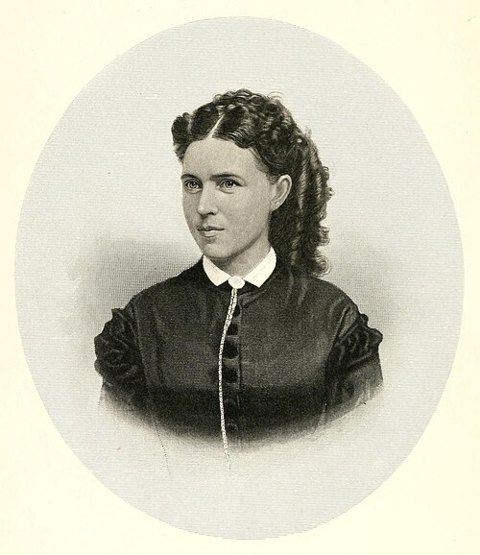
Fanny Kelly (c. 1845–1904) was a North American pioneer woman captured by the Sioux and freed five months later. She later wrote a book about her experiences called Narrative of My Captivity among the Sioux Indians in 1871.
Early life
Fanny Wiggins was born in Orillia in Canada West in about 1845. In 1856, her parents, James and Margaret Wiggins, relocated their family to the new town of Geneva in the soon-to-be state of Kansas. Along the way, her father died of cholera, leaving the family to settle in Geneva on their own.
In 1863, Fanny married Josiah S. Kelly, also of Geneva, a farmer and discharged Union soldier at least fifteen years her senior. Josiah hoped that a change of climate would aid his failing health, so he, Fanny, and her seven-year-old niece and adopted daughter, Mary Hurley set out on May 17, 1864 for the region that is now Idaho or Montana. With them were two black servants, Franklin and Andy, and the Kellys' twenty-eight-year-old neighbor, Gardner Wakefield. A fellow traveler, a Methodist clergyman named Mr. Sharp, joined them a few days later. A couple of weeks after that, William and Sarah Larimer and their eight-year-old son Frank, with whom the Kellys were acquainted, left a large wagon train to accompany them. The party was later joined by Noah Daniel Taylor, who drove the Larimers' wagon.
Captivity
On July 12, the ill-fated party had crossed Little Box Elder Creek in Wyoming on the Oregon Trail when they encountered a large group of "about two hundred and fifty" Miniconjous and Hunkpapas, reported by Fanny Kelly to be "painted and equipped for war", led by their war chief, Ottawa, a chieftain of the Oglala band. By Kelly's account, vastly outnumbered, the immigrants tried to placate the warriors. By the one Sioux account, the Indians had gone to see the white man's "Holy Road" (the Oregon Trail) that they had heard about, met some whites, and ate and smoked with them. While they were eating, a Sioux messenger arrived, reporting that U.S. soldiers had killed some of their relatives on the Missouri River, apparently putting their heads on poles. The Sioux, agitated, then shot some of the emigrants, with Sharp, Taylor, and Franklin being killed immediately. Wakefield was seriously injured. Josiah Kelly, William Larimer, and Andy got away, while the two women and two children were taken captive. Another wagon that happened on the scene by chance sped off, at the cost of one person's life. The Sioux then proceeded to loot the five wagons.