Ζωή και έργο
Η Βικιπαίδεια δεν έχει ακόμη άρθρο για αυτόν τον συγγραφέα σε αυτή τη γλώσσα. Παρακάτω, το κείμενο στα αγγλικά.
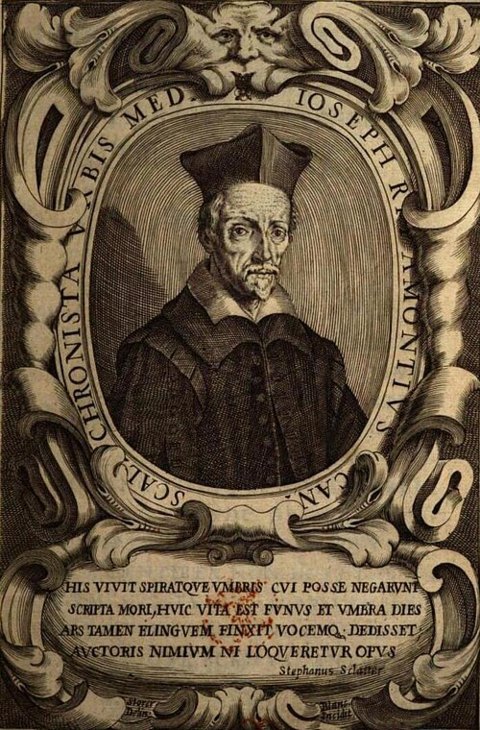
Giuseppe Ripamonti (July 1573 – 11 August 1643) was an Italian Catholic priest and historian. Ripamonti was a prolific writer, to the extent that he can be considered as the most important Milanese writer of the first half of the seventeenth century, alongside Federico Borromeo.
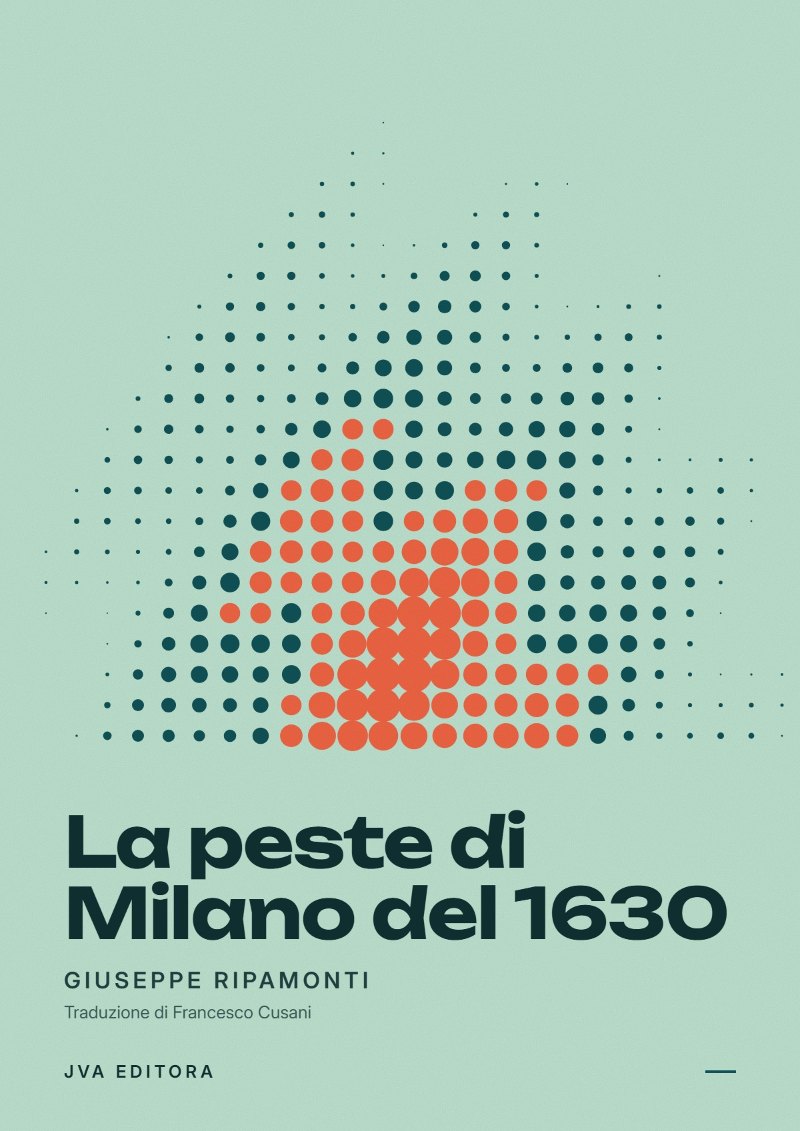
He wrote in Latin Historia Ecclesiae Mediolanensis (1625) ("History of the Church of Milan"). He is perhaps better known for the De peste Mediolani quae fuit anno 1630 (1640) ("About the plague that occurred in Milan in year 1630"), which relates the events occurring in the city during the 1629–1631 Italian bubonic plague. Alessandro Manzoni used this account to describe in detail the effects of the plague in his masterpiece, The Betrothed. In 1841, the latin chronicle of the plague by Ripamonti was published in Italian translation by Francesco Cusani.
Κείμενο: “Giuseppe Ripamonti”, από τη Βικιπαίδεια, την ελεύθερη εγκυκλοπαίδεια, με την άδεια CC BY-SA 4.0. Ημερομηνίες και στοιχεία: Wikidata.