Η Βικιπαίδεια δεν έχει ακόμη άρθρο για αυτόν τον συγγραφέα σε αυτή τη γλώσσα. Παρακάτω, το κείμενο στα αγγλικά.
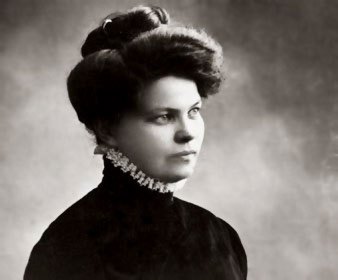
Maria Gustaava Jotuni (Haggrén until 1906, Jotuni-Tarkiainen from 1911, born 9 April 1880 Kuopio, died 30 September 1943 in Helsinki) was a Finnish author and a playwright.
Life
Jotuni went to an all-girls school in Kuopio. She graduated in 1900 and planned to become a teacher. In 1900–1904 she studied history and literature at the University of Helsinki. Jotuni met her future husband, the literary critic Viljo Tarkiainen (1879–1951), in the university, and they got married in 1911. They had two sons: Jukka Tarkiainen and Tuttu Tarkiainen.
She is sometimes considered an early feminist, and according to Jukka's son Kari Tarkiainen, her posthumously published novel Huojuva talo ("Tottering House") was based on her marriage to his grandfather; it depicts the husband as nightmarishly abusive.
She started working as a journalist in a student magazine at the University of Helsinki. Maria Haggrén changed her surname to Jotuni in 1906. "Jotuni" means a giant in Scandinavian mythology. She died of heart disease in Helsinki.
In 1961 The Golden Calf, a film based on her play of the same name was released.