Wikipédia n'a pas encore d'article sur cet auteur dans cette langue. Ci-dessous, le texte en anglais.
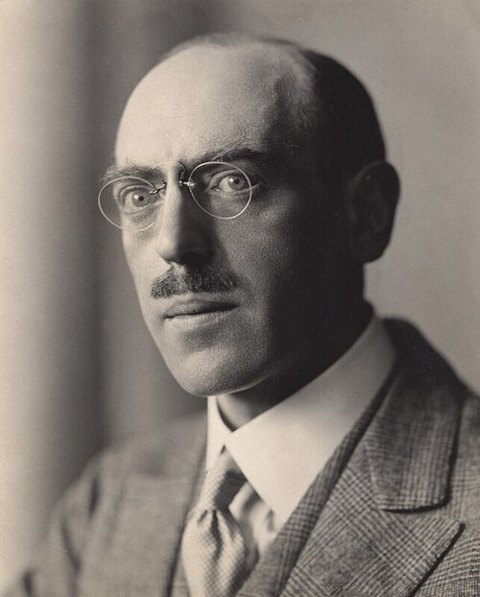
Walter Lionel George (20 March 1882, Paris, France – 30 January 1926) was an English writer, chiefly known for his popular fiction, which included feminist, pacifist, and pro-labour themes.
Life
Although born of British parents, George grew up in Paris and did not learn English until the age of twenty. His paternal grandfather was Jewish. In 1905 he moved to London, where he became a journalist. The success of his first novel, A Bed of Roses (1911), about a woman's descent into prostitution, allowed him to apply himself full-time to literary efforts. His subsequent books also generally sold well, often requiring more than one edition and appearing on both sides of the Atlantic. In addition to novels and short stories, George also wrote literary essays and several political tracts on left-wing themes. He was married three times and widowed twice.
Reception and influence
In 1945 George Orwell included George in a list of "natural" novelists, not inhibited by "good taste", and particularly praised Caliban (a fictionalised account of the life of Lord Northcliffe) for its "memorable and truthful" picture of London life.
According to Alec Waugh, he was commercially successful, helpful in practical terms to upcoming authors, but unpopular in the literary world for his subject matter, his hack journalism, and his left-wing views.
Noting similarities between George's novel Children of the Morning (1926) and William Golding's celebrated Lord of the Flies (1954), Auberon Waugh suggested that George's work may have subliminally influenced Golding, although the latter denied having read it.