Wikipedia non ha ancora una voce su questo autore in questa lingua. Di seguito, il testo in inglese.
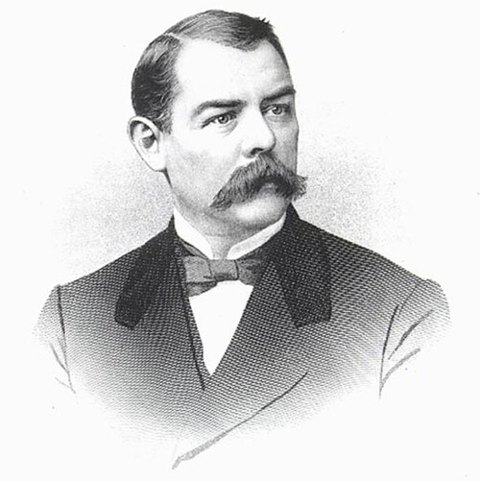
Albion Winegar Tourgée (May 2, 1838 – May 21, 1905) was an American soldier, lawyer, writer, politician, and diplomat. Wounded in the Civil War, he relocated to North Carolina afterward, where he became involved in Reconstruction activities. He served as a delegate to the state constitutional convention in 1868 and served six years as a judge on the Superior Court. Tourgée was also a pioneer civil rights activist who founded the National Citizens' Rights Association (a precursor of the NAACP) and Bennett College as a normal school for freedmen in North Carolina – it has been a women's college since 1926. Tourgée represented Tabitha Ann Holton in her case before the Supreme Court of North Carolina; she applied for and became the first female lawyer in North Carolina and in the Southern United States.
An ally of African Americans since his Civil War days, later in his career Tourgée was asked to aid a committee in New Orleans that was challenging segregation on railways in Louisiana, and he was appointed the lead attorney in the landmark Plessy v. Ferguson (1896) case. The committee was dismayed when the United States Supreme Court ruled that "separate but equal" public facilities were constitutional; this enabled segregation for decades. Historian Mark Elliott credits Tourgée with introducing the metaphor "color blind justice" into legal discourse.