Wikipedia non ha ancora una voce su questo autore in questa lingua. Di seguito, il testo in inglese.
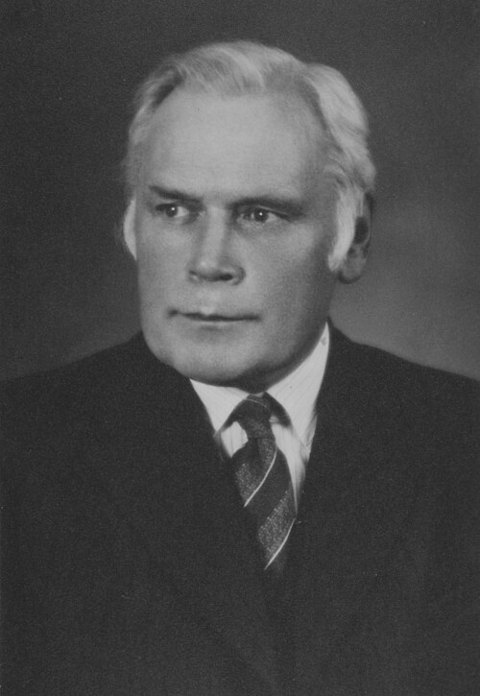
Volter Kilpi, born Volter Ericsson, (December 12, 1874 – June 13, 1939) was a Finnish author best known for his two-volume novel Alastalon salissa (1933), often considered one of the best written in the Finnish language. Kilpi has been considered an exponent of the modern experimental novel.
Early life
Kilpi was born and brought up in Kustavi, in Finland's western archipelago, and attended a private Finnish-language grammar school in Turku. He was the older brother of stage and film actor Eero Kilpi. An avid reader, he studied at the University of Helsinki. He worked for more than twenty years at the University of Helsinki Library and other libraries in Helsinki before moving to Turku, where he became first a librarian at that city's municipal library, later, in November 1920, the first librarian of Turku's Finnish-language university. Kilpi's most important literary work was written during his years in Turku, near his family roots.
Literary career
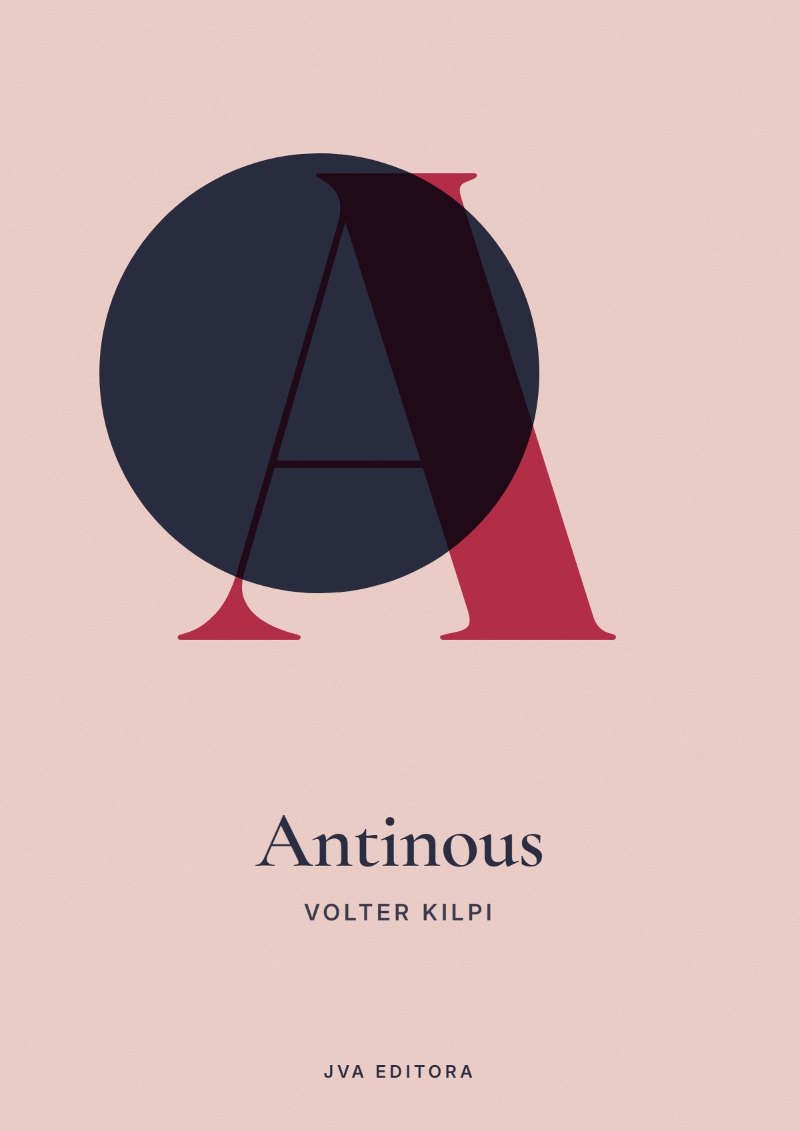
Kilpi was still a student when he wrote his first novel, Bathseba: Daavidin puheluja itsensä kanssa (Bathseba: David's Conversations with Himself, 1900). It was awarded the Finnish State Prize for Literature. That same year he also published a collection of incidental pieces, including an effusive celebration of Aleksis Kivi, titled Ihmisestä ja elämästä: Kirjoitelmia (Of Man and Life: Writings). His second novel, Parsifal: Kertomus Graalin ritarista (Parsifal: Tale of a Grail Knight), was published two years later, in 1902. After his third novel, Antinous (1903), he did not publish anything for almost 20 years. In second phase of his career, during the years of Finland's declaration of independence and the Finnish Civil War, he published two books on political themes. In the third phase of his career, Kilpi returned to fiction. Kilpi's most famous work, Alastalon salissa (In the Alastalo Parlour, 1933), was the first of the Archipelago trilogy.