生平与作品
维基百科暂无该作者的中文条目。 以下为英语原文。
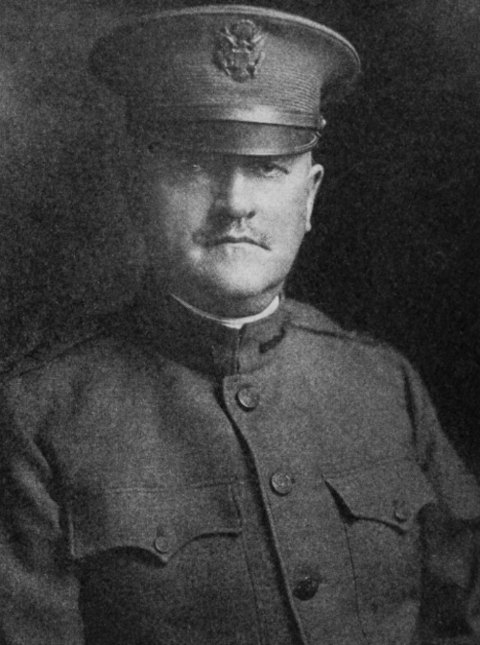
Alexander Miller Harvey (November 24, 1867 in Richmond, Kentucky – March 9, 1928 in Topeka, Kansas) was an American lawyer, politician, and author.
Political career
A lawyer from Topeka admitted to the bar in 1893, Harvey was elected Lieutenant Governor of Kansas in 1896 on the Populist ticket along with John W. Leedy and served from 1897 to 1899.
In 1900 Harvey was again a candidate for lieutenant governor, on a Populist/Democratic/Free Silver Republican fusion ticket with John W. Breidenthal for governor; Breidenthal lost to incumbent governor William E. Stanley by 164,793 votes to 181,893.
In 1904 Harvey was the Democratic Party candidate for US representative from the First District of Kansas; he lost to the Republican Party candidate, future vice president Charles Curtis. In 1914 he lost again to Curtis, in the Republican US Senate primary (Harvey came in a poor fourth).
Legal career
Harvey was the president of the Topeka Bar Association from 1922 to 1923.
Following the conviction of Industrial Workers of the World organizer Harold Fiske under the Kansas Criminal Syndicalism act in late 1923, Harvey was hired to handle the appeal to the Kansas Supreme Court and later to the United States Supreme Court. Harvey, working with his son Randal C. Harvey and Charles L. Carroll, obtained the 1927 Fiske v. Kansas decision freeing Fiske and establishing that state laws must conform to federal freedom of speech rights.
Another prominent case was the two bribery trials, on separate cases, of Governor Jonathan M. Davis in 1925, in which Harvey, fellow Populist Frank Doster, and John Addington obtained acquittals on all charges.
文字: “Alexander Miller Harvey”, 来自自由的百科全书维基百科,许可协议为 CC BY-SA 4.0. 日期与资料:维基数据。
馆藏
Alexander Miller Harvey的图书
1 图书