Gandhi and Anarchy
在线阅读 查看图书
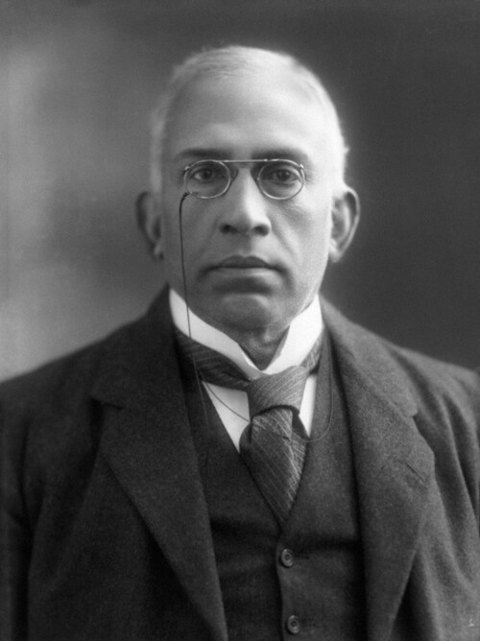
作者
1857–1934
维基百科暂无该作者的中文条目。 以下为英语原文。
Sir Chettur Sankaran Nair CIE (11 July 1857 – 24 April 1934) was an Indian lawyer, judge and statesman who served as the Advocate-General of Madras from 1906 to 1910, on the High Court of Madras as a puisne justice from 1910 to 1915, and as India-wide Education minister as a member of the Viceroy's Executive Council from 1915 until 1919. He was elected president of the 1897 Indian National Congress, and led the Egmore faction, opposing the Mylapore group.
According to V. C. Gopalratnam, he was a leader of the Madras bar, alongside C. R. Pattabhirama Iyer, M. O. Parthasarathy Iyengar, V. Krishnaswamy Iyer, P. R. Sundaram Iyer, and Sir V. C. Desikachariar, and immediately behind Sir V. Bhashyam Aiyangar and Sir S. Subramania Iyer. He wrote Gandhi and Anarchy (1922).
Chettur Sankaran Nair was born in the British Raj on 11 July 1857 as the son of Parvathy Amma of Chettur family and Mammayil Ramunni Panicker of the Mammayil family, in Guruvayur, Thrissur district. Through matrilineal succession, Sankaran Nair belongs to a prominent family named Chettur.
His father worked as a Tahsildar under the British government. His early education began in the traditional style at home and continued in schools in Malabar, till he passed the arts examination with a first class from the Provincial School at Kozhikode. Then he joined the Presidency College, Madras. In 1877 he took his arts degree, and two years later secured the law degree from the Madras Law College.
Nair started as a lawyer in 1880 in the High Court of Madras. In 1884, the Madras Government appointed him as a member of the committee for an enquiry into the district of Malabar. Till 1908, he was the Advocate-General to the Government and an Acting Judge from time to time. In 1908, he became a permanent Judge in the High Court of Madras and held the post till 1915. He was a part of the bench that tried Collector Ashe murder case along with C. A. White, then the Chief Justice of Madras, William Ayling, as a special case. In his best-known judgment, he upheld conversion to Hinduism and ruled that such converts were not outcasts. He founded and edited the Madras Review and the Madras Law Journal.
文字: “C. Sankaran Nair”, 来自自由的百科全书维基百科,许可协议为 CC BY-SA 4.0. 日期与资料:维基数据。
馆藏
1 图书