作者
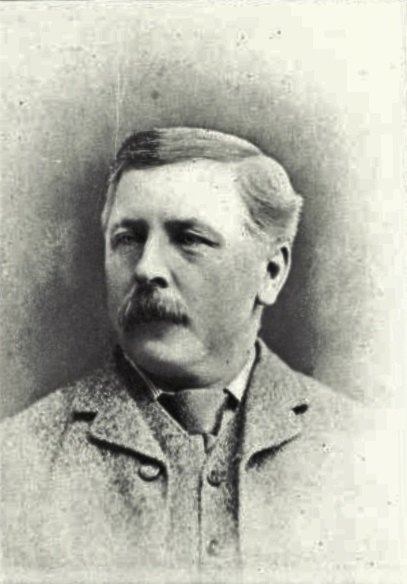
Charles Mair
1838–1927
- 出生
- 1838年9月21日, 拉納克縣
- 逝世
- 1927年7月7日, 维多利亚
- 国籍
- 加拿大
- 职业
- 诗人, 新闻工作者, 政治人物 和 作家
生平与作品
维基百科暂无该作者的中文条目。 以下为英语原文。
Charles Mair (September 21, 1838 – July 7, 1927) was a Canadian poet and journalist. He was a fervent Canadian nationalist noted for his participation in the Canada First movement and his opposition to Louis Riel during the two Riel Rebellions in western Canada.
Early life and education
Mair was born at Lanark, Upper Canada, to Margaret Holmes and James Mair. He attended Queen's University but left it after one year to help with the family’s troubled businesses in Lanark.
Career
On leaving college, Mair became a journalist.
In Ottawa in 1868, Mair was introduced by civil servant and writer Henry Morgan to young lawyers George Denison, William Foster, and Robert Haliburton. The three organized the Canada First Movement, a small openly nationalist social group which grew over time.
Mair reported for the Montreal Gazette during the first Riel Rebellion in 1869-70, during which time he was twice imprisoned, and sentenced to execution, but managed to escape that fate in the Spring of 1870. He wrote extensively in opposition to Riel's cause, and his columns incensed the citizenry of Red River. At a dinner given by Alexander Begg; Annie McDermot Bannatyne, the Métis daughter of Andrew McDermot and wife of Andrew Graham Ballenden Bannatyne, reacted to Mair's account of tensions between Métis and white wives with a public slap and horse-whipping, which inspired the first western roman-à-clef, Begg's 1871 Dot it Down: A Story of Life in the Northwest, presenting "a caricature of Mair as a self-important Upper Canadian flirt who dots down his sneering observations about the west", according to the Dictionary of Canadian Biography.
文字: “Charles Mair”, 来自自由的百科全书维基百科,许可协议为 CC BY-SA 4.0. 日期与资料:维基数据。
馆藏
Charles Mair的图书
2 图书