Edward Lucas White (May 11, 1866 – March 30, 1934) was an American writer and poet.
Life
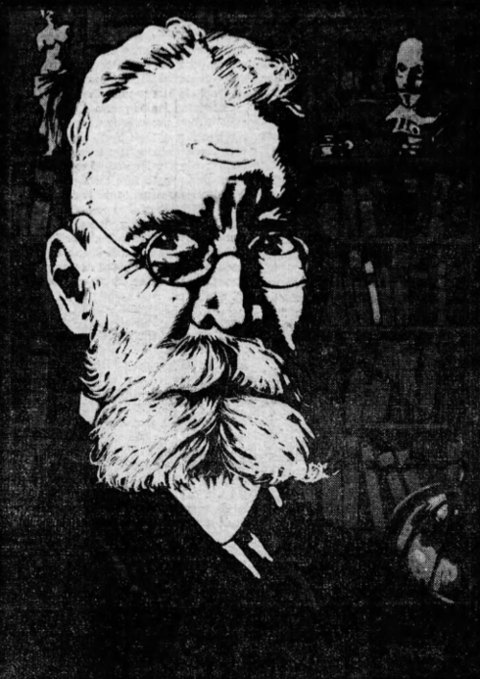
Born in Bergen County, New Jersey, the son of Thomas Hurley White (1838–1902) and Kate Butler (Lucas) White, he attended Johns Hopkins University in Baltimore, where he lived for the rest of his life. From 1915 until his retirement in 1930 he was a teacher at the University School for Boys in Baltimore.
He published a number of historical novels, including El Supremo: A Romance of the Great Dictator of Paraguay (1916), The Unwilling Vestal (1918), Andivius Hedulio (1921) and Helen (1926), but he is best remembered for fantasy horror stories such as "The House of the Nightmare" and "Lukundoo" that were based on his own nightmares. Two collections of his short fiction were published in his lifetime, The Song of the Sirens (1919) and Lukundoo and Other Stories (1927).
"Lukundoo", White's most frequently anthologized story, is the tale of an American explorer in a remote section of Africa who incurs the wrath of the local witch doctor, who casts a spell on him. Dozens of sore pustules erupt all over the explorer's body. As these develop, it becomes clear that each sore is actually a sort of homunculus: a tiny African man, emerging head-first from within the explorer's flesh. He is able to terminate the development of individual homunculi by beheading them as they develop, but there are too many for him to defeat them all. When other explorers attempt to help, he pleads with them to let him die, accepting his fate as a taunting homunculus pulls itself from the flesh of his upper right chest.