作者
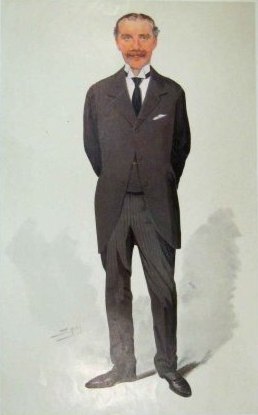
Evelyn Ruggles-Brise
1857–1935
- 出生
- 1857年12月6日, Finchingfield
- 逝世
- 1935年8月18日, Peaslake
- 国籍
- 英国 和 大不列颠及爱尔兰联合王国
生平与作品
维基百科暂无该作者的中文条目。 以下为英语原文。
Sir Evelyn John Ruggles-Brise (6 December 1857 – 18 August 1935) was a British prison administrator and reformer, and founder of the Borstal system.
Biography
Ruggles-Brise was born in Finchingfield in Essex, the second son of Sir Samuel Brise Ruggles-Brise (1825–1899) and his wife, Marianne (née Bowyer-Smijth), daughter of Sir William Bowyer-Smijth. He had three brothers and seven sisters. His family have deep roots in Essex, having been based at Spains Hall in Finchingfield since the house was bought by Samuel Ruggles, a clothier, in 1760. His father was Conservative MP for East Essex from 1868 to 1884. Another relation, Sir Edward Ruggles-Brise, 1st Baronet, was MP for Maldon from 1922 to his death in 1942 (with a short intermission in 1923-4), and became a baronet in George V's Silver Jubilee honours list in 1935.
Ruggles-Brise was educated at home and at a private school near Hitchin, before attending Eton from 1869 to 1876 on a scholarship. His older brother, Archie, was already an Oppidan, and President of Pop. He read Mods and Greats at Balliol College, Oxford, graduating with a first in 1880. He also played in the college cricket team.
At Oxford, Ruggles Brise knew Montague John Druitt, the man named as the prime suspect in the Jack the Ripper case by Chief Constable Melville Macnaghten in a report written for the Home Office in 1894. Ruggles Brise was also a lifelong friend of Basil Thomson who attended New College, Oxford at the same time as Montague Druitt and who succeeded Melville Macnaghten as Head of CID at Scotland Yard in 1913.
文字: “Evelyn Ruggles-Brise”, 来自自由的百科全书维基百科,许可协议为 CC BY-SA 4.0. 日期与资料:维基数据。
馆藏
Evelyn Ruggles-Brise的图书
1 图书