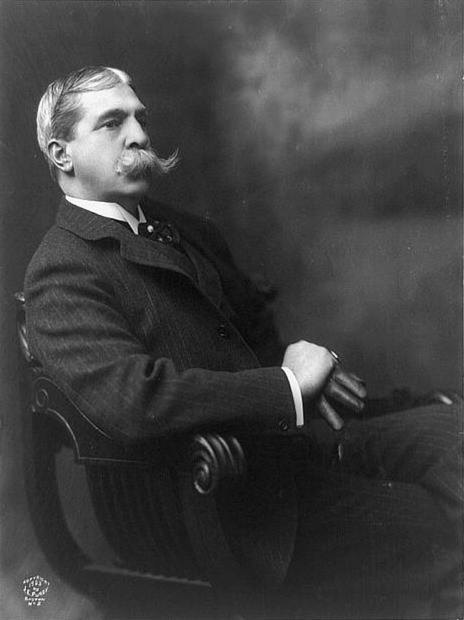
Francis Hopkinson Smith (October 23, 1838 – April 7, 1915) was an American author, artist, and engineer. He built the foundation for New York City's Statue of Liberty, wrote numerous stories, and received recognition for his paintings.
Smith was the great-uncle of American architect, author, and photographer G. E. Kidder Smith (1913–1997).
Biography
Francis Hopkinson Smith was born in Baltimore, Maryland, on October 23, 1838. He was a descendant of Francis Hopkinson, one of the signers of the Declaration of Independence.
He graduated from the Boys' Latin School of Maryland. In 1914, he argued against African American suffrage, stating that the solution to racial issues would be a return to plantation-era ways.
Smith became a contractor in New York City and worked extensively for the federal government. His projects included the stone ice-breaker at Bridgeport, Connecticut, the jetties at the mouth of the Connecticut River, the foundation for the Bartholdi Statue of Liberty in New York Harbor, the Race Rock Lighthouse (southwest of Fishers Island, New York), and numerous life-saving stations.
During his vacations, Smith traveled widely and sketched landscapes in the White Mountains, Cuba, and Mexico. He also visited and painted scenes from Venice, Constantinople, and the Netherlands.
On April 26, 1866, he married Josephine Van Deventer.
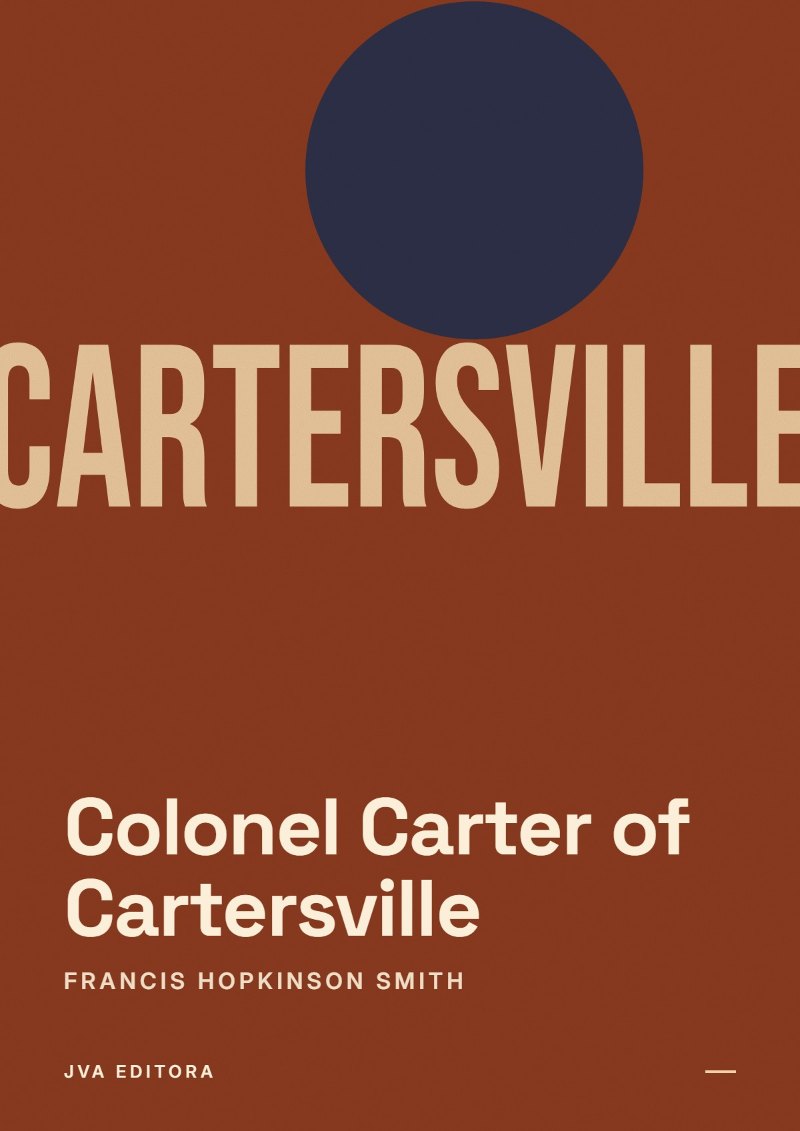
Smith's first popular book was Col. Carter of Cartersville (1891). His 1896 novel Tom Grogan and 1898 novel Caleb West were each the best-selling book in the United States in their respective years of publication.