生平与作品
维基百科暂无该作者的中文条目。 以下为英语原文。
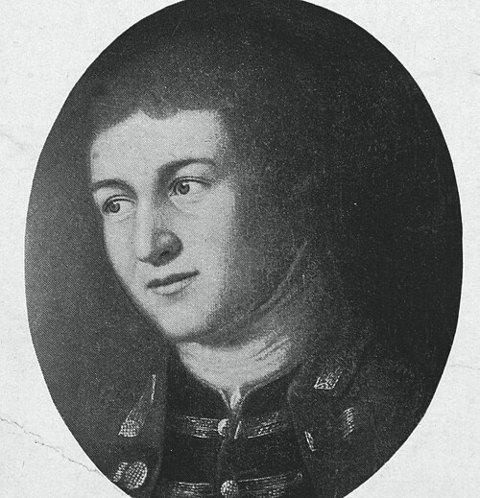
William Barton (April 11, 1754 – October 21, 1817) was a Pennsylvania lawyer, scholar, and the designer (with Charles Thomson) of the Great Seal of the United States.
Early years
Barton was born April 11, 1754, in Philadelphia, in the Province of Pennsylvania. His father, Rev. Thomas Barton, was an Irish immigrant from Carrickmacross who had opened a school near Norristown, Pennsylvania in 1751. His mother was Esther Rittenhouse, sister of astronomer David Rittenhouse, for whom William would later write a biography. William's brother, Benjamin, would later become known for his work as a botanist.
William grew up in Lancaster, Pennsylvania. In 1775, with the American War of Independence underway, he went to England, where he studied heraldry. During his time in Europe, he also met some of his maternal relatives in the Netherlands.
He returned to Pennsylvania in 1779 and was admitted to the bar of the Supreme Court of Pennsylvania, setting up a practice in Philadelphia. In 1781, he married Elizabeth Rhea, niece of Continental Congressman Jonathan Bayard Smith. They had five daughters and four sons, including botanist William P.C. Barton.
It was also in 1781 that Barton published Observations on the Nature and Use of Paper Credit. The same year, the University of Pennsylvania awarded him an honorary Master of Arts degree, and in 1785, the College of New Jersey (later known as Princeton University) followed suit. In 1786, Barton published The True Interests of the United States and particularly of Pennsylvania Considered with Respect to the Advantages Resulting from a State Paper Money.
文字: “William Barton (heraldist)”, 来自自由的百科全书维基百科,许可协议为 CC BY-SA 4.0. 日期与资料:维基数据。
馆藏
William Barton的图书
1 图书