作者
William Combe
1742–1823
- 出生
- 1742年3月25日, 布里斯托尔
- 逝世
- 1823年6月19日, 兰贝斯
- 国籍
- 大不列颠及爱尔兰联合王国 和 大不列颠王国
- 职业
- 诗人 和 作家
生平与作品
维基百科暂无该作者的中文条目。 以下为英语原文。
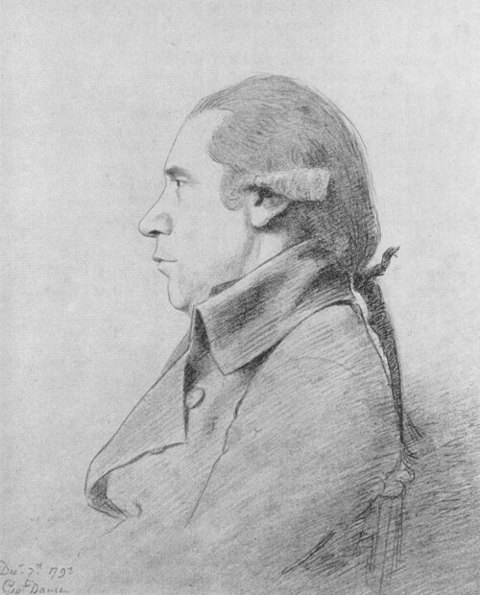
William Combe (25 March 1742 – 19 June 1823) was a British miscellaneous writer. His early life was that of an adventurer; his later life was passed chiefly within the "rules" of the King's Bench Prison. He is most notable as the author of The Three Tours of Doctor Syntax, a comic poem, illustrated by artist Thomas Rowlandson's colour plates, that satirised William Gilpin. Combe also wrote a series of imaginary letters, supposed to have been written by the second, or "wicked" Lord Lyttelton. Of a similar kind were his letters between Swift and "Stella". He also wrote the letterpress for various illustrated books, and was a general hack.
Early life
Combe's father, Robert Combes, was a rich Bristol ironmonger who died in 1756; his mother, Susannah Hill (died 1748), was from a Quaker background. He was educated at Eton College, but was withdrawn from the school by William Alexander, his guardian, on his father's death; Alexander died in 1762. He inherited from both his father and guardian, aspired to the status of gentleman, and changed his name to Combe. He spent his fortune, travelled and was nicknamed "Count Combe"; and in the period 1769–1773 was low in funds, existing in France, Wales and the West Midlands.
In 1773 Robert Berkeley employed Combe to edit Thomas Falkner's Description of Patagonia. Combe then settled to work as a writer and book editor.
Poetry
Clifton: a poem in imitation of Spenser (Bristol 1775)
The Diaboliad: a Poem: Dedicated to the worst man in His Majesty's dominions. Also, the diabo-lady: or, a match in hell (1777)
文字: “William Combe”, 来自自由的百科全书维基百科,许可协议为 CC BY-SA 4.0. 日期与资料:维基数据。
馆藏
William Combe的图书
2 图书