The Fight for the Republic in China
Leitura online Ver livro
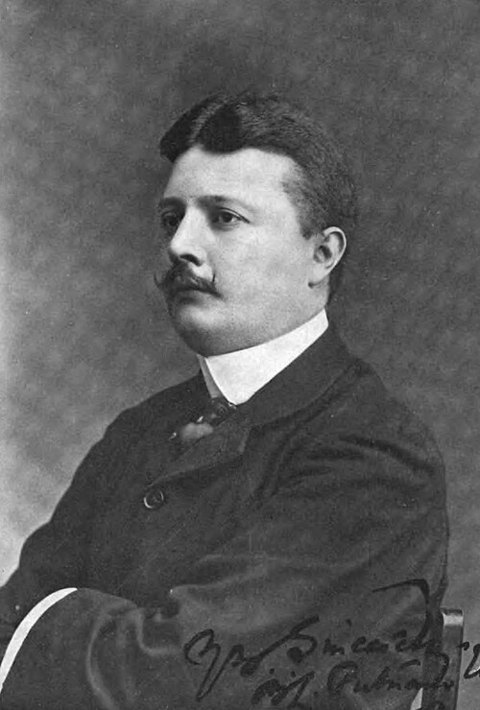
Autor
Escritor britânico
A Wikipédia ainda não tem um artigo sobre este autor nesta língua. Abaixo, o texto em inglês.
Bertram Lenox Simpson (1877–1930) was a British author who wrote about China under the pen name "B. L. Putnam Weale" (or sometimes simply "Putnam Weale").
Lenox Simpson was the son of Clare Lenox-Simpson, who had been in the Chinese Maritime Customs Service since 1861; he had a brother, Evelyn, a mining engineer who worked in China, and a sister, Esme. His education was at Brighton College, after which he too joined the Service. Simpson started to work for the Customs Service in 1896 and his career benefitted from his father's patronage. He was in China during the Boxer Rebellion and during the siege of the legations. After this, he became Brigade Interpreter for the British Expeditionary Force (he spoke 5 languages). Sir Ernest Satow, the British minister-plenipotentiary to China, refused to be introduced to Lenox Simpson when he was at Peking (1900–06) 'on account of his character'.
Lenox Simpson left the Chinese Maritime Customs Service in 1901, perhaps connected with zealous looting after the siege of the Legations in 1900. The British historian Robert Bickers called him "the consummate treaty port jobbing hack, writing commentaries, begging for newspaper work, penning novels... and serving as the Daily Telegraph correspondent in Beijing from 1911 to 1914." Much of his writing in the Edwardian era was given over to defending the treaty port system in China. He remained in China, and began a prolific career writing about China and the Far East.
Lenox Simpson's best-known book, Indiscreet Letters from Peking was published in 1907 and offered up a trenchant defense of British imperialism in China as it recounted his role in the Boxer Rebellion of 1900. Much of his memoir of the year 1900 was concerned with attacking the Foreign Office for being too supine and diplomatic towards the Chinese, and portrayed himself as the man of action, unconcerned with diplomatic niceties, and always willing to do and fight for what is right. In addition in Indiscreet Letters from Peking, Lennox Simpson portrayed both Russia and Germany as rival powers threatening the British empire, which led him to attack the Foreign Office for being too willing to have Britain work with Russia and Germany in putting the Boxers. Furthermore, he complained that the Foreign Office was willing to compromise with both the Germans and the Russians over their claims to have zones of spheres of influence in China, which he saw as a serious threat to the British empire. The overall theme of Indiscreet Letters from Peking was that the British had the world's greatest empire, but were being let down by their leaders and diplomats who were insufficiently aggressive in defending the empire. The Boxer Rebellion, especially the siege of the legations in Beijing in the summer of 1900, had attracted enormous interest in the United Kingdom and came for many British people in the early 20th century what the Indian Mutiny had being for the Victorians, namely a war that was seen as a vindication of the British empire. Moreover, the Boxer Rebellion served as a template for British understanding of China well into the 20th century with the sacking of the British embassy in Beijing in 1967 along with the beating of the British diplomats by the Red Guards being presented by the British newspapers as just another example of "Boxerism". Given the popular interest in the Boxer Rebellion along with Lenox Simpson's self-proclaimed status as the China expert who could explain "Boxerism", the book was a best-seller. Finally, Lenox Simpson's portrayal of a British empire being let down by alleged enervated elite struck a chord with elements of the British public.
Texto: “Bertram Lenox Simpson”, da Wikipédia, a enciclopédia livre, sob a licença CC BY-SA 4.0. Datas e fatos: Wikidata.
Acervo
2 livros