A Wikipédia ainda não tem um artigo sobre este autor nesta língua. Abaixo, o texto em inglês.
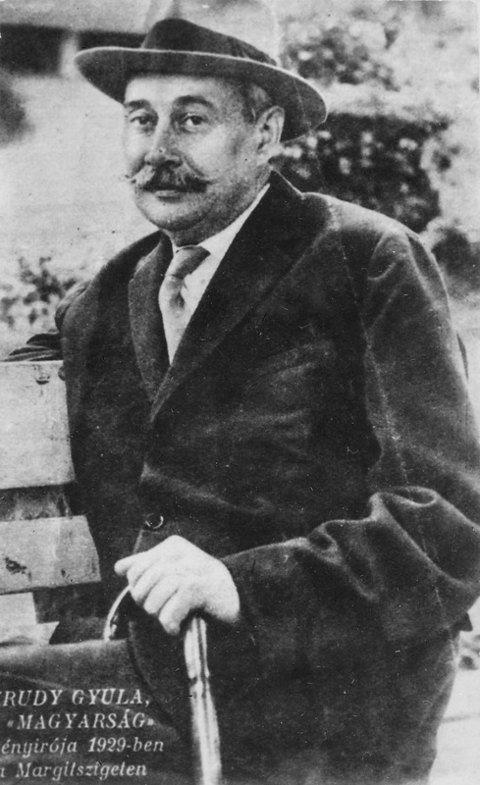
Gyula Krúdy (21 October 1878 – 12 May 1933) was a Hungarian writer and journalist.
Biography
Gyula Krúdy was born in Nyíregyháza, Austria-Hungary. His father was a lawyer and his mother was a maid working for the Krúdy family; his parents did not marry until Gyula was 17 years old. In his teens, Krúdy published newspaper pieces and began writing short stories. Although his father wanted him to become a lawyer, Krúdy worked as an editor at provincial newspapers in Debrecen and Nagyvárad for several years, then moved to Budapest in 1896. He was disinherited, but supported his wife (also a writer) and three children through the publication of short stories, along with novels that were almost always serialized in daily papers and periodicals.
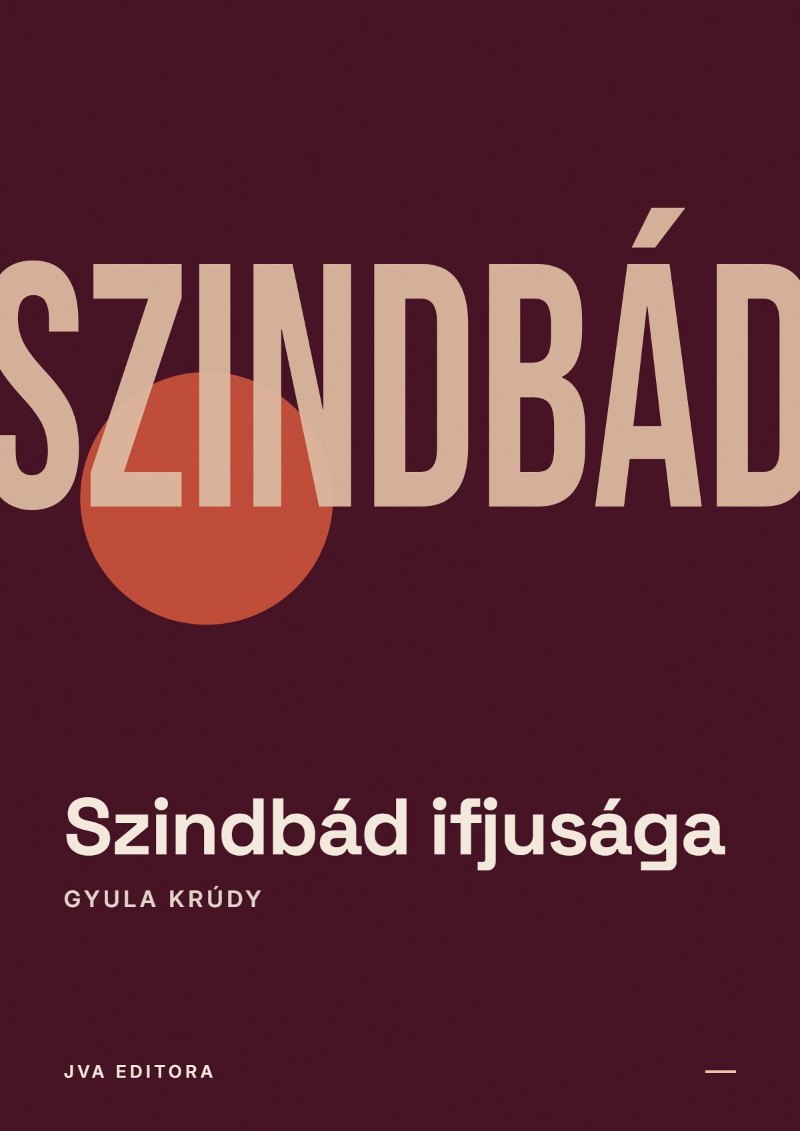
Sinbad's Youth, published in 1911, proved a success, and Krúdy used the character, a man who shared the name of the hero of the Arabian Nights, many times throughout his career. Another alter ego, Kazmer Rezeda, is the hero of half a dozen novels, including The Crimson Coach (1913), English translation by Paul Tabori published in 1965. Krúdy's last collection of stories, Life Is a Dream, has also appeared in an English translation by John Batki (Penguin Books, 2010).
Krúdy's novels about Budapest were popular during the First World War but afterward he was often broke due to difficulties in getting his works published, exacerbated by excessive drinking and smoking. His first marriage fell apart. In 1919, Krúdy enthousiastically welcomed the short-lived Hungarian Soviet Republic. He spent some time travelling around the country and writing reports about its social transformation, which were compiled into a state-published pamphlet. His second marriage produced one daughter, Zsuzsa, who later edited several volumes of her father's work. In the late 1920s and early 1930s, his health declined and his readership dwindled. He died in 1933.