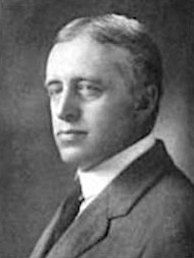
Vida e obra
A Wikipédia ainda não tem um artigo sobre este autor nesta língua. Abaixo, o texto em inglês.
Irving Babbitt (August 2, 1865 – July 15, 1933) was an American academic and literary critic, noted for his founding role in a movement that became known as the New Humanism, a significant influence on literary discussion and conservative thought in the period between 1910 and 1930. He was a cultural critic in the tradition of Matthew Arnold and a consistent opponent of romanticism, as represented by the writings of Jean-Jacques Rousseau. Politically he can, without serious distortion, be called a follower of Aristotle and Edmund Burke. He was an advocate of classical humanism but also offered an ecumenical defense of religion. His humanism implied a broad knowledge of various moral and religious traditions. His book Democracy and Leadership (1924) is regarded as a classic text of political conservatism. Babbitt is regarded as a major influence over American cultural and political conservatism.
Texto: “Irving Babbitt”, da Wikipédia, a enciclopédia livre, sob a licença CC BY-SA 4.0. Datas e fatos: Wikidata.