A Wikipédia ainda não tem um artigo sobre este autor nesta língua. Abaixo, o texto em inglês.
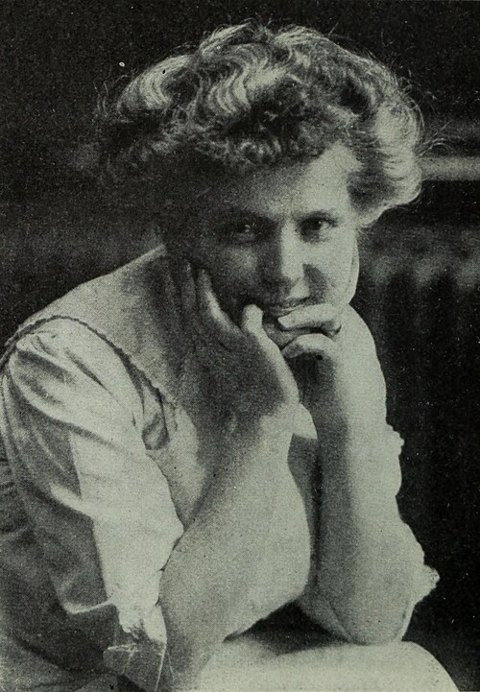
Kate Langley Bosher (February 1, 1865 – July 27, 1932) was an American novelist from Virginia, best known for her novels Mary Cary (1910) and Miss Gibbie Gault (1911). She was also a suffragist and founding member and officer of the Equal Suffrage League of Virginia.
Early years, education, and marriage
Kate Langley was born in Norfolk, Virginia, to Charles Henry and Portia Victoria (Deming) Langley in 1865. She graduated from the Norfolk College for Young Ladies in 1882.
She married Richmonder Charles Gideon Bosher, a part-owner of a carriage manufacturing business, on October 12, 1887. The Boshers lived in downtown Richmond before moving to Monument Avenue after World War I. The couple had no children.
Writing career
Bosher was best known for writing popular fiction; her works were typically set in Virginia or in other locations in the American South and focused on the experiences of southerners after the American Civil War.
Bosher's first book Bobbie (1899) was published when she lived in Richmond under the pseudonym Kate Cairns while the rest of her books were written under her real name.
Her most successful novels were Miss Gibbie Gault (1911), Kitty Canary (1918), His Friend Miss McFarlane (1919), and Mary Cary, Frequently Martha (1910). Mary Cary, Frequently Martha was the most popular, selling over 100,000 copies within a year of release. It was the only one of Bosher's novels to have a film adaptation. Mary Cary, Frequently Martha was received well by readers as soon as it was written. Readers of the novel love the story of the spunky orphan Mary who navigates her unfortunate life living in an orphanage with a corrupted caregiver as she makes friends and makes the best out of a bad situation. In 1910, The Chicago Record-Herald said about the novel, "Let's be glad for books like Mary Cary. It isn't so much what Mary Cary does, however, as what she is, bless her! That warms the cockles of the chilliest, most snugly corseted heart."