A Wikipédia ainda não tem um artigo sobre este autor nesta língua. Abaixo, o texto em inglês.
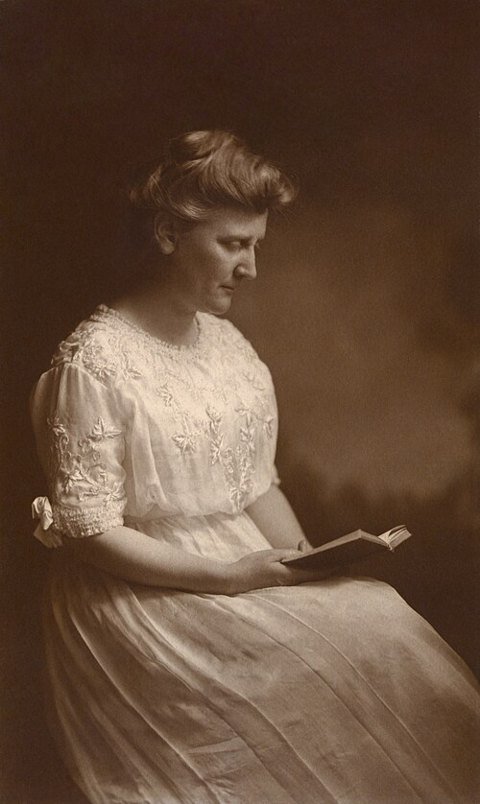
Mary White Ovington (April 11, 1865 – July 15, 1951) was an American socialist, suffragist, journalist, and co-founder of the National Association for the Advancement of Colored People (NAACP).
Biography
Mary White Ovington was born April 11, 1865, in Brooklyn. Her grandmother attended the Connecticut congregation of Samuel Joseph May. Her parents, members of the Unitarian Church, were supporters of women's rights and had been involved in the anti-slavery movement. Educated at Packer Collegiate Institute and Radcliffe College of Harvard University, Ovington became involved in the campaign for civil rights in 1890 after hearing Frederick Douglass speak in a Brooklyn church and a 1903 speech by Booker T. Washington at the Social Reform Club.
In 1894, Ovington met Ida B. Wells, while taking Christmas presents to Ida's sister's children. Mary was so appalled by their living conditions that she started working with Wells to force the city to update the tenements. In 1895, she helped found the Greenpoint Settlement in Brooklyn. Appointed head of the project the following year, Ovington remained until 1904, when she was appointed a fellow of the Greenwich House Committee on Social Investigations. Over the next five years, she studied employment and housing problems in black Manhattan. During her investigations, she met W. E. B. Du Bois and was introduced to the founding members of the Niagara Movement.
In 1905, Ovington joined the Socialist Party of America, influenced by the ideas of William Morris. There she met A. Philip Randolph, Floyd Dell, Max Eastman and Jack London, who argued racial problems were as much a matter of class as of race. Ovington wrote for journals and newspapers such as The Masses, New York Evening Post, and the New York Call. She also worked with Ray Stannard Baker and influenced the content of his 1908 book, Following the Color Line.