A Wikipédia ainda não tem um artigo sobre este autor nesta língua. Abaixo, o texto em inglês.
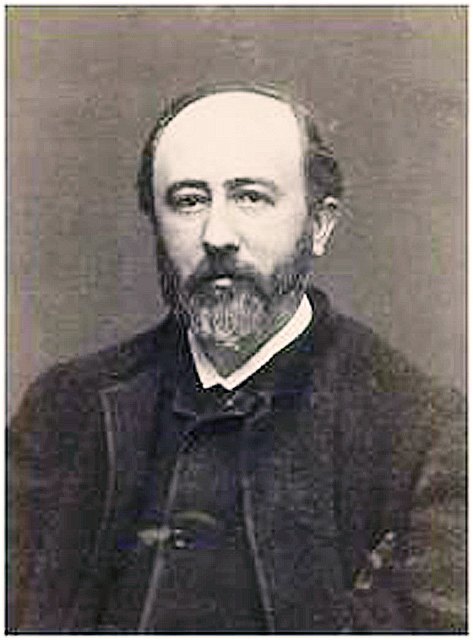
Paul-Auguste Arène (26 June 1843 – 17 December 1896) was a Provençal poet and French writer.
Biography
Arène was born in Sisteron, Alpes-de-Haute-Provence, the son of Adolphe, a clockmaker, and Reine, a cap presser. He studied in Marseille, then in Vannes. A short play which enjoyed some success at the Odéon, Pierrot héritier, led him to leave the university, and to journalism in 1865, aged 23. He started to contribute to Figaro littéraire and composed his first Provençal verses, which were published in the Almanach avignonnais by Joseph Roumanille. He died in Antibes.
The subject of all of his Provençal pieces is the area, and particularly the countryside, around Sisteron: Fontfrediero, Lis Estello negro, Raubatori.
In French, Paul Arène published Parnassiculet, in which he talked about his life, in the style of Parnassianism. Like his friend Octave Mirbeau in 1884, Paul Arène collaborated actively with Alphonse Daudet in the publishing of his Provençal chronicles, published in the newspaper L'Événement. In 1869, some of them were republished under the title Lettres de mon moulin (attributed solely to Daudet).
In 1868, Paul Arène wrote his chef-d'œuvre, Jean des Figues. After 1870, he wrote chronicles, poems, among which Le Tor d'Entraÿs, Le Clos des âmes, Le Canot des six capitaines, Au Bon Soleil and La Gueuse parfumée, and two collections. He also wrote La Chèvre d'or, Les Ogresses, Le Midi bouge and Domnine.