A Wikipédia ainda não tem um artigo sobre este autor nesta língua. Abaixo, o texto em inglês.
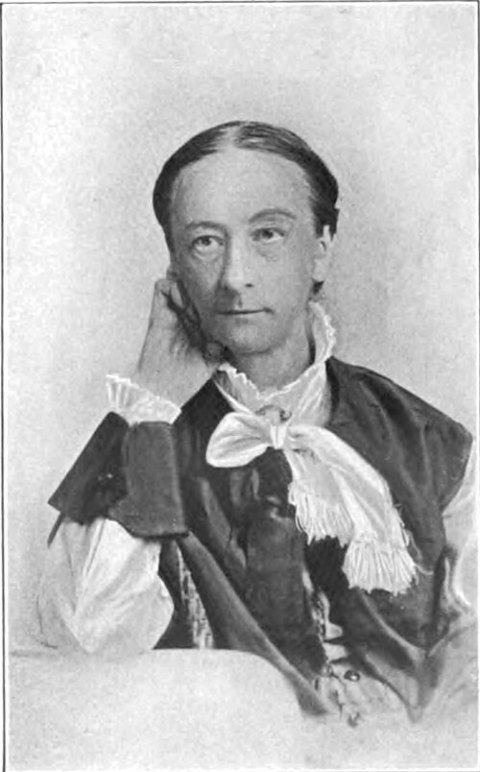
Susan Bogert Warner (pen name, Elizabeth Wetherell; July 11, 1819 – March 17, 1885) was an American Presbyterian writer of religious fiction, children's fiction, and theological works. She is best remembered for her massive bestseller The Wide, Wide World. Her other works include Queechy, The Hills of the Shatemuc, Melbourne House, Daisy, Walks from Eden, House of Israel, What She Could, Opportunities, and House in Town. Warner and her sister, Anna, wrote a series of semi-religious novels that had extraordinary sales, including Say and Seal, Christmas Stocking, Books of Blessing (in 8 volumes), and The Law and the Testimony.
Early years and education
Susan Warner was born in New York City, July 11, 1819. Warner could trace her lineage back to the Puritans on both sides. Her father was Henry Warner, a New York City lawyer originally from New England, and her mother was Anna Bartlett, from a wealthy, fashionable family in New York's Hudson Square. When Warner was a young child, her mother died, and her father's sister, Fanny, came to live with the Warners. Though the father had been wealthy, he lost most of his fortune in the Panic of 1837 and in subsequent lawsuits and poor investments. The family had to leave their mansion at St. Mark's Place in New York and move to an old Revolutionary War-era farmhouse on Constitution Island, near West Point, New York. In 1849, seeing little change in their family's financial situation, Susan and Anna started writing to earn income.
Career
She wrote, under the name of "Elizabeth Wetherell", thirty novels, many of which went into multiple editions. However, her first novel, The Wide, Wide World (1850), was the most popular. It was translated into several other languages, including French, German, and Dutch. Other than Uncle Tom's Cabin, it was perhaps the most widely circulated story of American authorship. Other works include Queechy (1852), The Law and the Testimony, (1853), The Hills of the Shatemuc, (1856), The Old Helmet (1863), and Melbourne House (1864). In the nineteenth century, critics admired the depictions of rural American life in her early novels. American reviewers also praised Warner's Christian and moral teachings, while London reviewers tended not to favor her didacticism. Early twentieth-century critics classified Warner's work as "sentimental" and thus lacking in literary value. In the later twentieth century, feminist critics rediscovered The Wide, Wide World, discussing it as a quintessential domestic novel and focusing on analyzing its portrayal of gender dynamics.