Wikipedia aún no tiene un artículo sobre este autor en este idioma. A continuación, el texto en inglés.
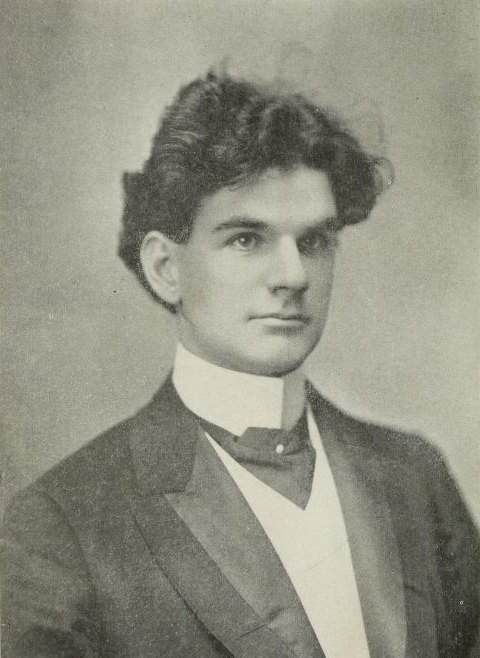
Alexander James McIvor-Tyndall (March 4, 1860 – 1940), also known as Ali Nomad, was an English-American hypnotist, mentalist and New Thought writer.
Biography
McIvor-Tyndall was born in Leicestershire to Dr. Alexander and Agnes Stuart. In 1890, McIvor-Tyndall gave theosophical lectures in Canada. He was theosophical editor of Denver Sunday Post (1906–1907) and edited The Swastika: A Magazine of Triumph (1906–1911) an occult magazine. He founded the International New Thought Fellowship and in 1907, Swastika headquarters in the United States. He was the founder of the International Swastika Society.
McIvor-Tyndall wrote under the pseudonyms Ali Nomad and Dr. John Lockwood. In 1913, under the pseudonym Ali Nomad he authored the book Cosmic Consciousness: The Man-God Whom We Await. In the book he promoted
the idea that Ramakrishna Paramahamsa was the latest incarnation of God in India.
McIvor-Tyndall married Margaret Logan of Los Angeles on September 3, 1896. He married Laura Hudson Wray on June 13, 1917 in Crown Point, Indiana. In total he married six times.
Career
McIvor-Tyndall was notable for performing the blindfold drive. This involved driving a carriage through crowded streets blindfolded whilst reading the thoughts of the man seated beside him. In 1893, McIvor-Tyndall requested the St. Louis Republic to appoint a committee to ride with him in a carriage. Theodore Dreiser was present on the committee and authored several articles about McIvor-Tyndall's successful "mind-reading" demonstrations. However, in 1896 he was arrested in Sacramento, California because he was driving a carriage too fast. He was also known for his "death-trances", it was alleged that he could cheat death and return to life. Skeptics dismissed McIvor-Tyndall as a fakir. His mind-reading demonstrations were similar to the mentalist Washington Irving Bishop.