Wikipedia aún no tiene un artículo sobre este autor en este idioma. A continuación, el texto en inglés.
Alfredo Oriani (Italian: [alˈfreːdo oˈrjaːni]; 22 August 1852 in Faenza – 18 October 1909 in Casola Valsenio) was an Italian author, writer and social critic. He is often considered a precursor of Fascism, and in 1940 his books were placed on the Index Librorum Prohibitorum of the Catholic Church.
Biography
Alfredo Oriani was born on 22 August 1852 in Faenza (Ravenna), the youngest of three children. His father Luigi Oriani, belonged to the lower landed gentry. He studied law at the Sapienza University of Rome in Rome and at the University of Naples where he received his law degree in 1872. He never practiced, however, but retired to his family's estate to devote most of his life to his writing. Oriani spent most of his adult life writing in seclusion in his family country house. In 1876, he published his first work, Memorie inutili (1876), a collection of auto-biographical tales deeply influenced by the Scapigliatura. Oriani never married. In 1881 he fathered an illegitimate child by the family maid. An admirer of Crispi, Oriani disdained bourgeois moderatism, and pleaded for a national revival based on the same spirit of fervent patriotism as had created Italy. In 1892 he unsuccessfully ran for the Italian Parliament. In the last decade of his life he turned to the theatre, enjoying a certain success with the tragedy L'invincibile (1902). He died on 18 October 1909 in his residence in Casola Valsenio, at the age of only 57.
Novels
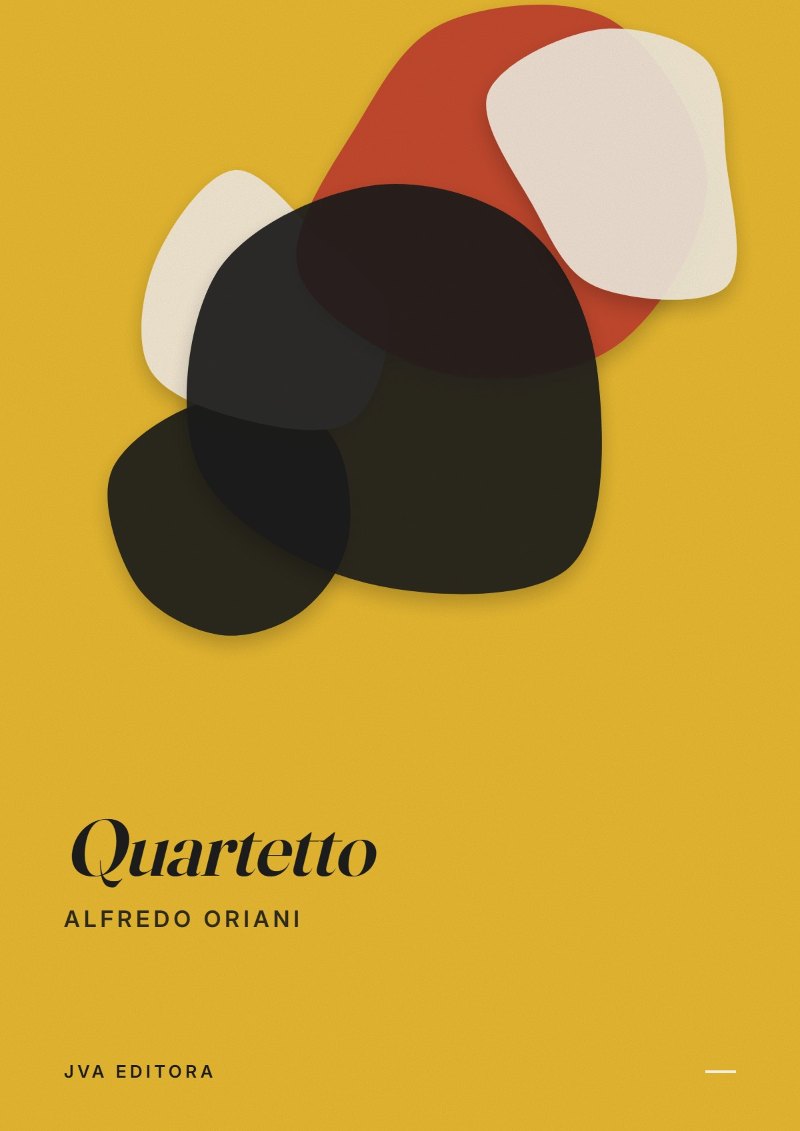
Oriani began his career as a novelist in the last two decades of the nineteenth century. He published his first collection of short stories, Memorie inutili (Useless Memoirs), under the pen name of Ottone di Banzole, 1876. It was followed in 1877 by Al di là (Beyond), in 1879 by Gramigna (Couchgrass, or Weed), in 1881 by No, in 1883 by Quartetto, then Sullo Scoglio e altri racconti (On the Reef and Other Tales). They are all dark, gloomy narratives, emotional, shaken by an anarchical drive of revolt against society.