Wikipedia aún no tiene un artículo sobre este autor en este idioma. A continuación, el texto en inglés.
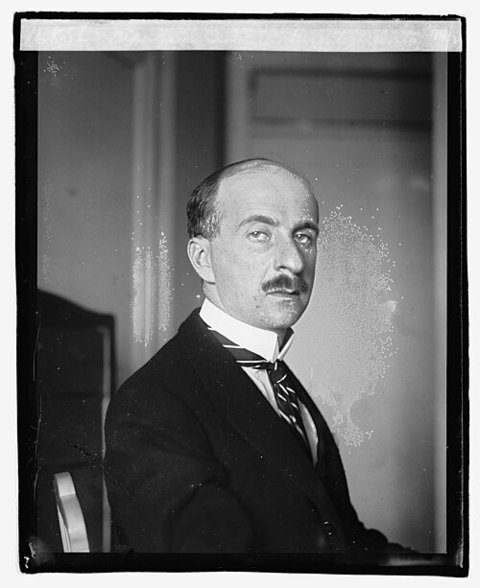
Giovanni "Gino" Visconti Venosta (4 September 1831 – 1 October 1906) was a Milanese writer-scholar and, as a young man, an activist Italian patriot (a partisan for Italian unification).
Family provenance
Giovanni Visconti Venosta came from an aristocratic family originally from Grosio in the Valtellina, in the Alpine countryside north of Milan. His grandfather, Nicola (1752-1828), had relocated to Tirano and his father, Francesco, had moved to Milan in 1823 where he married Paola Borgazzi (died 1864). His eldest surviving brother, Emilio, who became a statesman and diplomat, was born in 1829, two and a half years before Gino. (The first born of the brothers, Nicolo, died in infancy.)
The children grew up in Milan, but each summer they went to stay at family homes at Grosio and Tirano. At this time the entire region had been under Austrian control since 1815, although the Austrian presence was increasingly resented as a foreign occupation. During the summer of 1846, after a trip to Poschiavo, their father, Francesco, died suddenly, at the age of just 48. Responsibility for bringing up his sons now passed to Cesare Correnti, a politician who backed Italian unification. The Venosta brothers were educated at the Istituto Boselli in Milan, but they were educated in politics at Correnti's house. It was here that Gino encountered the writings of Giovanni Berchet and Giuseppe Mazzini, two writers whose enthusiastic support for the unification cause leads them to be identified in contemporary sources as Italian Patriots. Both Gino and Emilio became enthusiasts for the nationalist cause embodied in the writings of Mazzini.