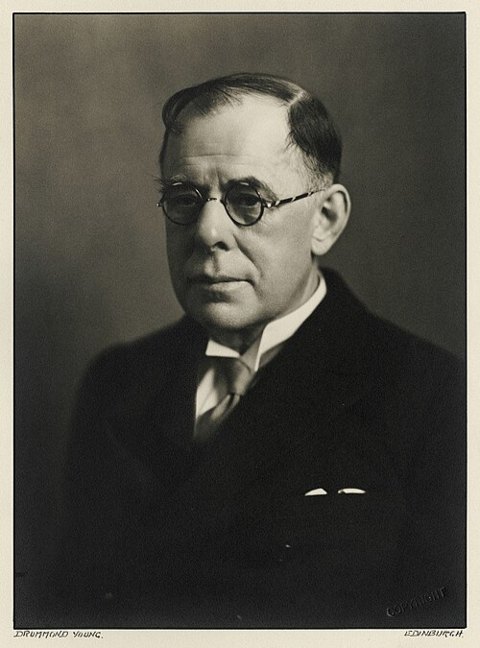
Alfred Edward Taylor (22 December 1869 – 31 October 1945) was a British idealist philosopher most famous for his contributions to the philosophy of idealism in his writings on metaphysics, the philosophy of religion, moral philosophy, and the scholarship of Plato. He was a fellow of the British Academy (1911) and president of the Aristotelian Society from 1928 to 1929. At Oxford he was made an honorary fellow of New College in 1931. In an age of universal upheaval and strife, he was a notable defender of idealism in the Anglophone world.
Career
Taylor was both a philosopher in his own right, addressing all the central problems of philosophy, and a philosophical scholar.
Educated at Oxford in the closing days of the great European idealist movement, Taylor was early influenced by the school of British idealism, especially neo-Hegelianism. At New College, he obtained a First in Literae Humaniores or 'Greats' in 1891 and held a prize fellowship at Merton College, Oxford (1891–96); he was re-elected as a Fellow in 1902.
He served as a lecturer at Owens College, Manchester (1898–1903) and then as professor of logic and metaphysics at McGill University, Montreal (1903–1908).
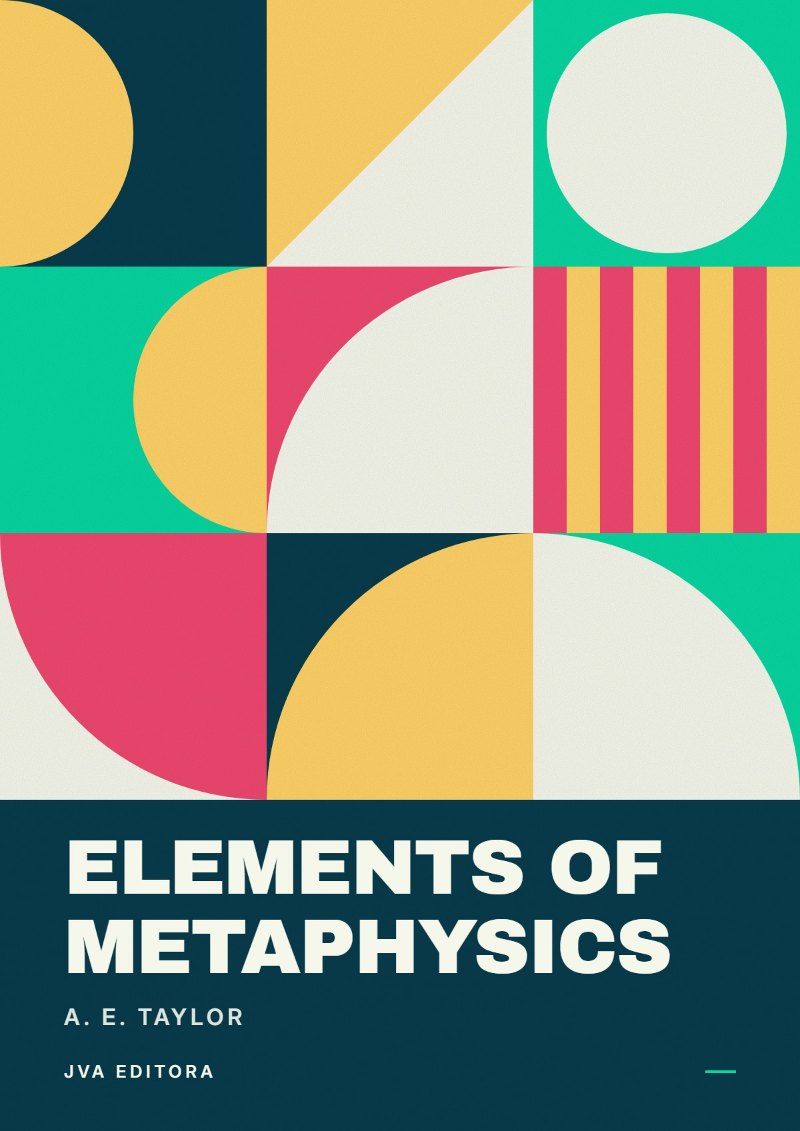
His first major book, Elements of Metaphysics (1903), dedicated (in heartfelt acknowledgment) to F. H. Bradley, is a systematic treatise of metaphysics covering such topics as ontology, cosmology, and rational psychology, and influenced by scholars including Josiah Royce, James Ward, George Frederick Stout, Richard Avenarius, and Hugo Munsterberg, as well as Robert Adamson, Wilhelm Ostwald, Bertrand Russell, and even Louis Couturat.