Sir Anthony Fitzherbert (1470 – 27 May 1538) was an English judge, scholar and legal author, particularly known for his treatise on English law, New Natura Brevium (1534).
Biography
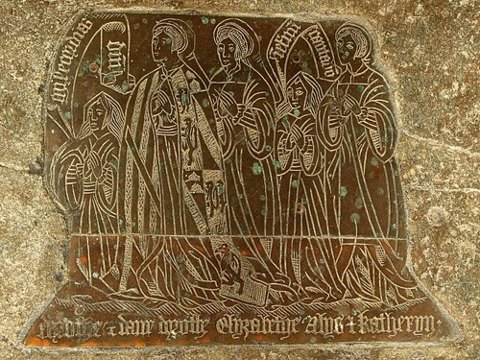
Fitzherbert was the sixth son of Ralph Fitzherbert of Norbury, Derbyshire, and Elizabeth Marshall. His brothers died young so he succeeded his father as Lord of the manor of Norbury, an estate granted to the family in 1125. Wood states that he was educated at Oxford, but no evidence of this exists; nor is it known at which of the inns of court he received his legal training, though he is included in a list of Gray's Inn readers.
Fitzherbert was called to the degree of serjeant-at-law, 18 November 1510, and six years later he was appointed king's serjeant. In 1514 he published La Graunde Abridgement, described below. In 1522 he was made a judge of common pleas and was knighted; but his new honours did not check his literary activity and in the following year (1523) he published three works: one on law, Diversité de courtz et leur jurisdictions (tr. by Hughes in 1646); one on agriculture, The Boke of Husbandrie; and one of law and agriculture combined, The Boke of Surveyinge and Improvements. All three were frequently reprinted and though Sir Anthony's authorship of the Boke of Husbandrie was formerly questioned it is now regarded as established. Meanwhile, his integrity and ability caused much business to be entrusted to him.
In 1524 Fitzherbert was sent on a royal commission to Ireland; Archbishop Warham appointed him by will sole arbitrator in the administration of his estate; and, in 1529, when Wolsey fell, he was made a commissioner to hear chancery causes in place of the chancellor, and he subsequently signed the articles of impeachment against him. As one of the judges he unwillingly took part in the trials of the martyrs Fisher, More, and Haile, but he strongly disapproved of the king's ecclesiastical policy, particularly the suppression of the monasteries and he bound his children under oath never to accept or purchase any abbey lands.