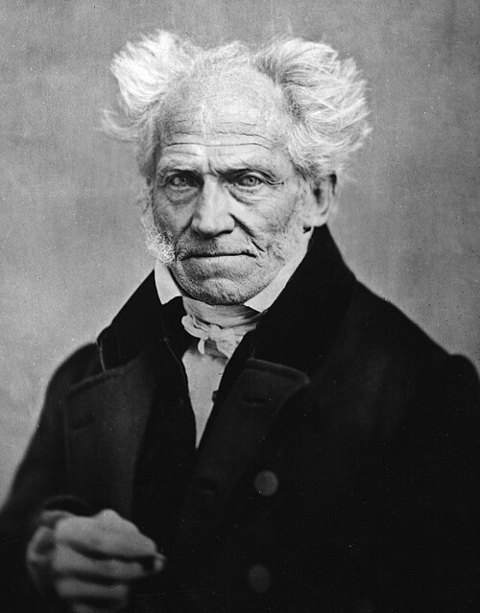
Arthur Schopenhauer (22 February 1788 – 21 September 1860), also known as the “Philosopher of Pessimism”, was a German philosopher and writer. He is known for his 1818 work The World as Will and Representation (expanded in 1844), which characterizes the phenomenal world as the manifestation of a blind and irrational noumenal will. Building on the transcendental idealism of Immanuel Kant, Schopenhauer developed an atheistic, metaphysical and ethical system that rejected the contemporaneous ideas of German idealism.
Schopenhauer was among the first philosophers in the Western tradition to share and affirm significant tenets of Indian philosophy, such as asceticism, denial of the self, and the notion of the world-as-appearance. His work has been described as an exemplary manifestation of philosophical pessimism. Though his work failed to garner substantial attention during his lifetime, he had a posthumous impact across various disciplines, including philosophy, literature, and science. His writing on aesthetics, morality and psychology has influenced many thinkers and artists.