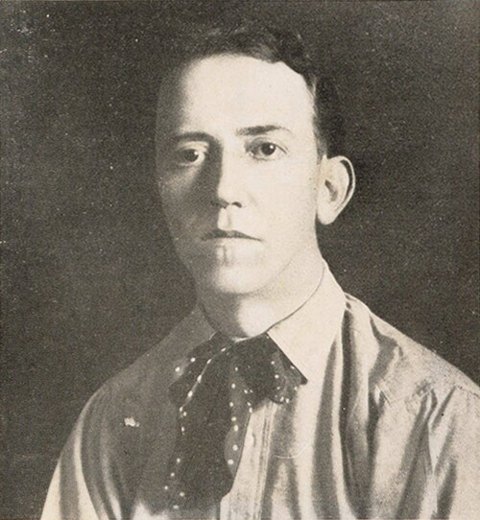
Carl Everton Moon (October 5, 1878 – June 24, 1948) was an American photographer, book and magazine illustrator, painter and writer focused on Native American subjects. He has been called "the imitator of Edward Curtis" and "the last of the great early photographers to go west".
Early life and early career
Carl Everton Moon (or Karl, as he spelled his name prior to anti-German sentiment during World War I) was born in Wilmington, Ohio, on October 5, 1878. After serving two years in the Ohio National Guard, he became a photographer's apprentice. He studied the trade for six years in Ohio and West Virginia. In 1903, he set up his own studio in Albuquerque, New Mexico. The move was precipitated by the fact his first wife Bessie Wilson had contracted tuberculosis. At the time, a hot, dry climate was thought to be an effective cure. In addition, as a boy, Moon had determined to head West after reading James Fenimore Cooper's adventure stories.
When I was twenty-three, I did just as I said I would do, but instead of hunting Indians with a gun and bowie knife, as the storybook heroes always did, I was to hunt my Indians with a camera, paintbrushes and a writing pad.
Bessie died shortly after their arrival in Albuquerque. Moon began his work with the Indians alone.
From 1903 to 1907, he made photographs and oil paintings of Pueblo peoples in the area. As a painter, he studied with visiting artists Thomas Moran, Frank Sauerwein and Louis Akin. Moon's studio was close to several Native American villages; many of the inhabitants came into town to sell beadwork, buckskin leather goods, pottery and silver jewelry. He slowly gained their trust. The Indians began coming to Moon's studio and, in turn, he visited them in their communities, sometimes spending weeks at a time. Using the heavy, clumsy cameras of the period, he started making photographic "art studies" as he called them.