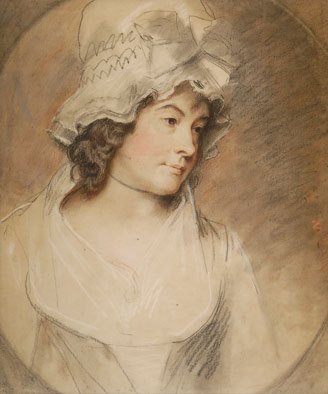
Charlotte Smith (née Turner; (1749-05-04)4 May 1749 – (1806-10-28)28 October 1806) was an English novelist and poet of the School of Sensibility whose Elegiac Sonnets (1784) contributed to the revival of the form in England. She also helped to set conventions for Gothic fiction and wrote political novels of sensibility. Despite eleven novels, four children's books and other works, she saw herself mainly as a poet and expected to be remembered for that.
Smith left her husband and began writing to support their children. Her struggles for legal independence as a woman affect her poetry, novels and autobiographical prefaces. She is credited with turning the sonnet into an expression of woeful sentiment and her early novels show development in sentimentality. Later novels such as Desmond (1792) and The Old Manor House (1793) praised the ideals of the French Revolution. Waning interest left her destitute by 1803. Barely able to hold a pen, she sold her book collection to pay debts and died in 1806. Her poem Beachy Head (1807) was published posthumously. Largely forgotten by the mid-19th century, she has since been seen as a major Romantic precursor.