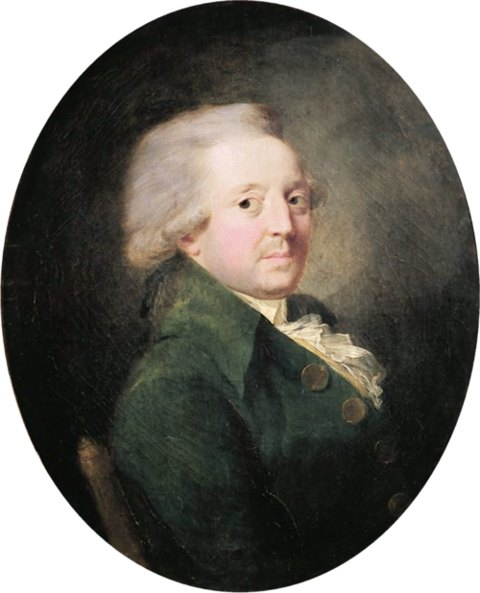
Marie Jean Antoine Nicolas de Caritat, Marquis of Condorcet (French: [maʁi ʒɑ̃ ɑ̃twan nikɔla də kaʁita maʁki də kɔ̃dɔʁsɛ]; 17 September 1743 – 29 March 1794), known as Nicolas de Condorcet, was a French philosopher, political economist, politician, and mathematician. His ideas, including support for free markets, public education, constitutional government, and equal rights for women and people of all races, and a welfare state have been said to embody the ideals of the Age of Enlightenment, of which he has been called the "last witness", and Enlightenment rationalism. As he was a critic of the constitution proposed by Marie-Jean Hérault de Séchelles in 1793, the Convention Nationale – and the Jacobin faction in particular – voted to have Condorcet arrested. He died in prison after a period of hiding from the French Revolutionary authorities.