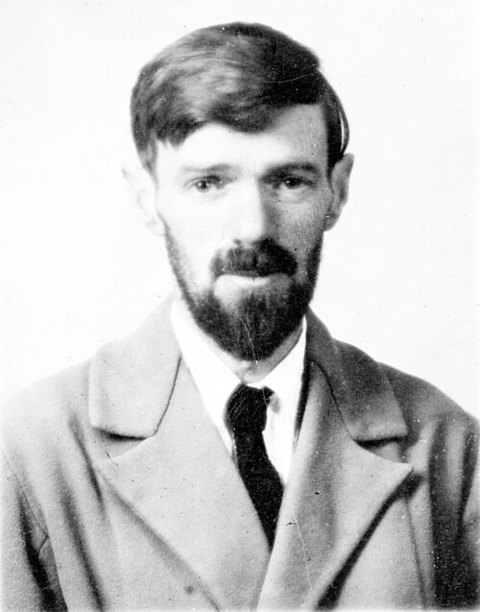
David Herbert Lawrence (11 September 1885 – 2 March 1930) was an English novelist, short story writer, poet, playwright, literary critic, travel writer, essayist, and painter. His modernist works reflect on modernity, social alienation and industrialisation, while championing sexuality, vitality and instinct. Four of his most famous novels – Sons and Lovers
(1913), The Rainbow (1915), Women in Love (1920), and Lady Chatterley's Lover (1928) – were the subject of censorship trials for their radical portrayals of romance, sexuality, and use of explicit language.
Lawrence's opinions and artistic preferences earned him a controversial reputation; he endured persecution and the misrepresentation of his creative work throughout his life, much of which he spent in a voluntary exile that he described as a "savage enough pilgrimage". At the time of his death, he had been variously scorned as tasteless, avant-garde, and a pornographer who had only garnered success for erotica; however, the English novelist and critic E. M. Forster, in an obituary notice, challenged this widely held view, describing him as "the greatest imaginative novelist of our generation". Later, the English literary critic F. R. Leavis also championed both Lawrence's artistic integrity and his moral seriousness.