Peaceless Europe
Online reading View book
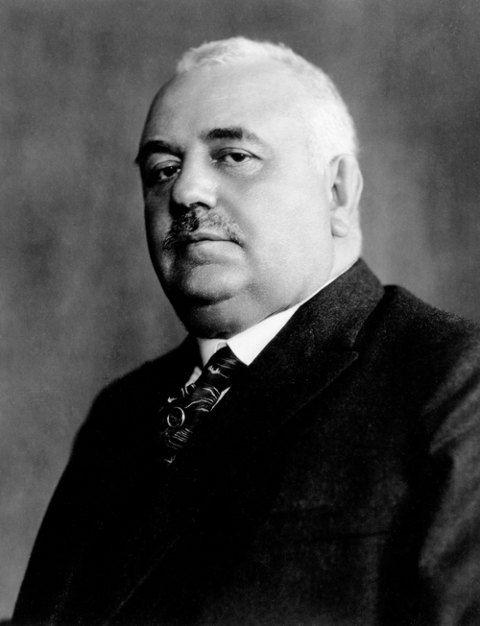
Author
Italian economist and political figure (1868–1953)
Francesco Saverio Nitti (Italian: [franˈtʃesko saˈvɛːrjo ˈnitti]; 19 July 1868 – 20 February 1953) was an Italian economist and statesman. A member of the Italian Radical Party, Nitti served as Prime Minister of Italy between 1919 and 1920. An opponent of the fascist regime in Italy, he opposed any kind of dictatorship throughout his career. According to the Catholic Encyclopedia in "Theories of Overpopulation", Nitti was also a staunch critic of English economist Thomas Robert Malthus and his Principle of Population; Nitti wrote Population and the Social System (1894). He was an important meridionalist and studied the origins of Southern Italian problems that arose after Italian unification.
Born in Melfi, Basilicata, Nitti studied law in Naples and was subsequently active as journalist. He was correspondent for the Gazzetta Piemontese (English: Piedmontese Gazette) and was one of the editors of the Corriere di Napoli (Courier of Naples). In 1891, he wrote a work about Christian socialism, titled Il socialismo cattolico (Catholic Socialism). In 1898, when he was only 30 years old, he became professor of finance at the University of Naples. Nitti was chosen in 1904 for the Italian Radical Party to serve in the Italian Parliament. From 1911 to 1914, he was minister of agriculture, industry, and trade under the then prime minister Giovanni Giolitti. In 1917, he became minister of finance under Vittorio Emanuele Orlando and held it until 1919.
On 23 June 1919, Nitti became prime minister and interior minister, after Orlando had resigned following the disappointed Italian gains at the Paris Peace Conference, resulting in widespread indignation within Italy about an alleged mutilated victory. A year later, Nitti was also minister of the colonies. His cabinet had to deal with great social unrest and dissatisfaction over the peace treaties. Particularly troublesome was the agitation over Fiume led by Gabriele D'Annunzio. Nitti had great difficulty keeping the administration functioning at all, thanks to the enmity between the extremely divergent political factions of communists, anarchists, and fascists. After less than a year as head of government, he resigned and was succeeded by the veteran Giolitti on 16 June 1920. In social policy, Nitti's government passed a law setting up compulsory insurance for unemployment, invalidity and old age.
Text: “Francesco Saverio Nitti”, from Wikipedia, the free encyclopedia, under the license CC BY-SA 4.0. Dates and facts: Wikidata.
Collection
1 book