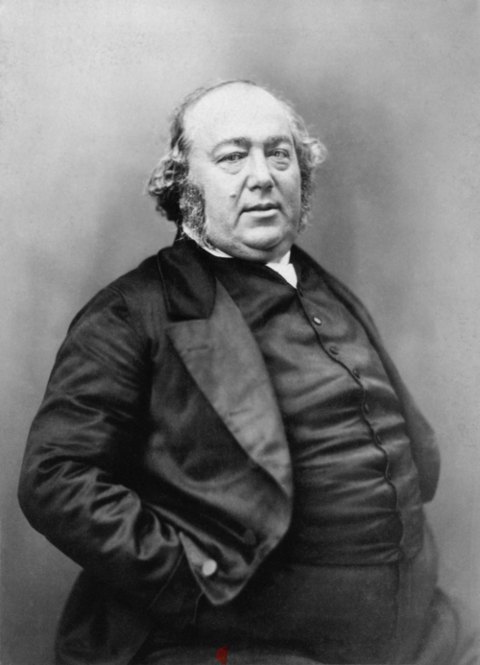
Jules Gabriel Janin (French pronunciation: [ʒyl ɡabʁijɛl ʒanɛ̃]; 16 February 1804 – 19 June 1874) was a French writer and critic.
Life and career
Born in Saint-Étienne (Loire), Janin's father was a lawyer, and he was educated first at St. Étienne, and then at the lycée Louis-le-Grand in Paris. He involved himself in journalism from an early date, and worked on the Figaro and the Quotidienne, among others, until in 1830 he became dramatic critic of the Journal des Débats.
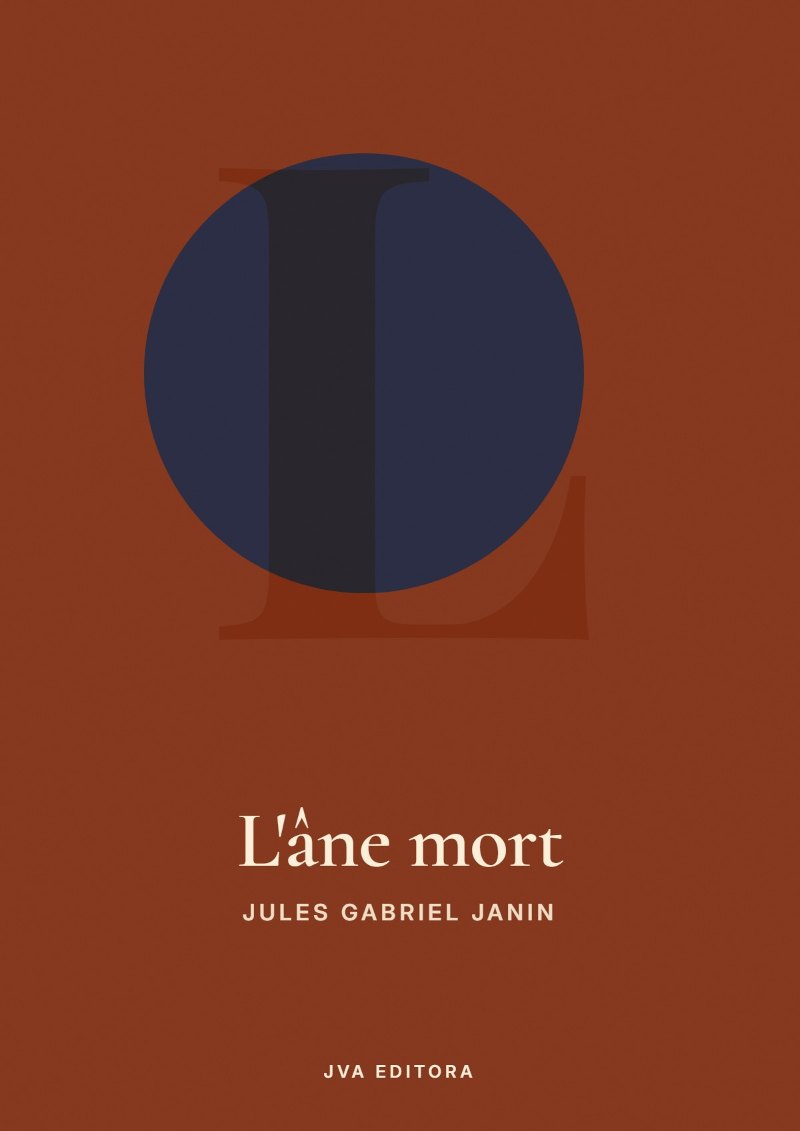
Long before, however, he had made a literary reputation for himself, publishing novels such as L'Âne mort et la Femme guillotinée ("The Dead Donkey and the Guillotined Woman") (1829). La Confession (1830) followed, and then in Barnave (1831), he attacked the Orléans family. From the day when Janin became the theatrical critic of the Débats, though he continued to write books, he was most notable in France as a dramatic critic. Janin authored the text for the song Le Chant des chemins de fer by Hector Berlioz, a composer and fellow critic at the Débats.
After many years of feuilleton writing he collected some of his articles in the work called Histoire de la littérature dramatique en France (1853-1858). In 1865 he made his first attempt upon the Academy, but was not successful until five years later. Meanwhile, he had not been content with his feuilletons, written persistently about all manner of things. No one was more in request with the Paris publishers for prefaces, letterpress to illustrated books and suchlike. He was accused of taking bribes for favourable reviews, reputedly earning 6,000 to 8,000 francs from fearful playwrights on a premier.