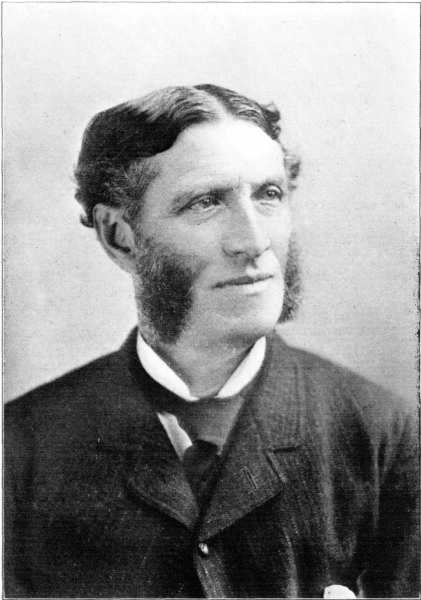
Matthew Arnold (24 December 1822 – 15 April 1888) was an English poet and cultural critic. He was the son of Thomas Arnold, the headmaster of Rugby School, and brother of both Tom Arnold, literary professor, and William Delafield Arnold, novelist and colonial administrator. He has been characterised as a sage writer, a type of writer who chastises and instructs the reader on contemporary social issues. He was also an inspector of schools for thirty-five years, and supported the concept of state-regulated secondary education.
Early years
Matthew Arnold was born on 24 December 1822 at Laleham-on-Thames, Middlesex, the eldest son of Thomas Arnold and Mary Penrose Arnold. John Keble stood as godfather to Matthew.
In 1828, Thomas Arnold was appointed Headmaster of Rugby School, where the family took up residence, that year. From 1831, Matthew Arnold was tutored by his clerical uncle, John Buckland, in Laleham. In 1834, the Arnolds occupied a holiday home, Fox How, in the Lake District. There William Wordsworth was a neighbour and close friend.
In 1836, Arnold was sent to Winchester College, but in 1837 he returned to Rugby School. He moved to the sixth form in 1838 and so came under the direct tutelage of his father. He wrote verse for a family magazine, and won school prizes. His prize poem, "Alaric at Rome", was printed at Rugby.
In November 1840, aged 17, Arnold matriculated at Balliol College, Oxford, where in 1841 he won an open scholarship, graduating B.A. in 1844. During his student years at Oxford, his friendship became stronger with Arthur Hugh Clough, a Rugby pupil who had been one of his father's favourites. He attended John Henry Newman's sermons at the University Church of St Mary the Virgin but did not join the Oxford Movement. After his father's death in 1842, Fox How became the family's permanent residence. His poem Cromwell won the 1843 Newdigate prize. He graduated in the following year with second class honours in Literae Humaniores.