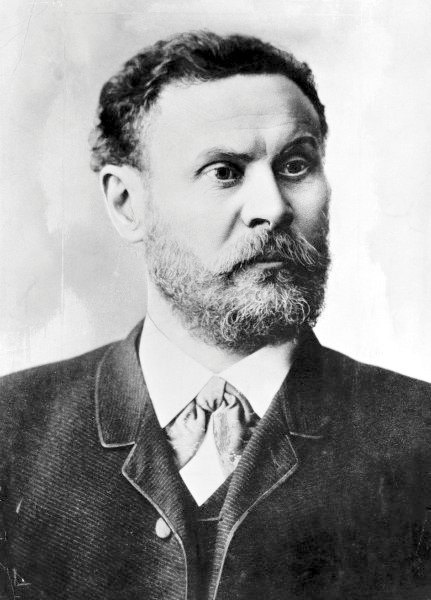
Karl Wilhelm Otto Lilienthal (German pronunciation: [ˈkaʁl ˈvɪlhɛlm ˈʔɔto ˈliːliəntaːl]; 23 May 1848 – 10 August 1896) was a German pioneer of aviation who became known as the "flying man". He was the first person to make well-documented, repeated, successful flights with gliders, therefore making the idea of heavier-than-air aircraft a reality. Newspapers and magazines published photographs of Lilienthal gliding, favourably influencing public and scientific opinion about the possibility of flying machines becoming practical.
Lilienthal's work led to his developing the concept of the modern wing. His flight attempts in 1891 are seen as the beginning of human flight and the "Lilienthal Normalsegelapparat" is considered the first airplane in series production, making the Maschinenfabrik Otto Lilienthal in Berlin the first airplane production company in the world. He has been referred to as the "father of aviation" and "father of flight".
On 9 August 1896, Lilienthal's glider stalled and he was unable to regain control. Falling from about 15 metres (49 ft), he broke his neck and died the next day.