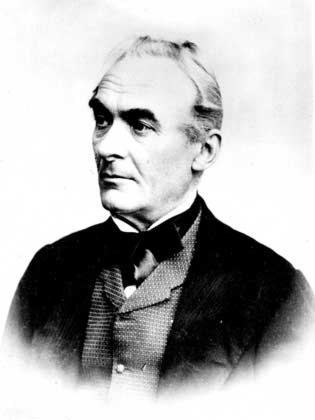
Prosper Mérimée (French: [pʁɔspɛʁ meʁime]; 28 September 1803 – 23 September 1870) was a French writer in the movement of Romanticism, one of the pioneers of the novella, a short novel or long short story. He was also a noted archaeologist and historian, an important figure in the history of architectural preservation. He is best known for his novella Carmen, which became the basis of Bizet's opera of the same name. He learned Russian, a language for which he had great affection, before translating the work of several notable Russian writers, including Pushkin and Gogol, into French. From 1830 until 1860 he was the inspector of French historical monuments, responsible for the protection of many historic sites, including the medieval citadel of Carcassonne and the restoration of the façade of the cathedral of Notre-Dame de Paris. Along with the writer George Sand, he discovered the series of tapestries called The Lady and the Unicorn, arranging for their preservation. He was instrumental in the creation of Musée national du Moyen Âge in Paris, where the tapestries now are displayed. The official database of French monuments, the Base Mérimée, bears his name.