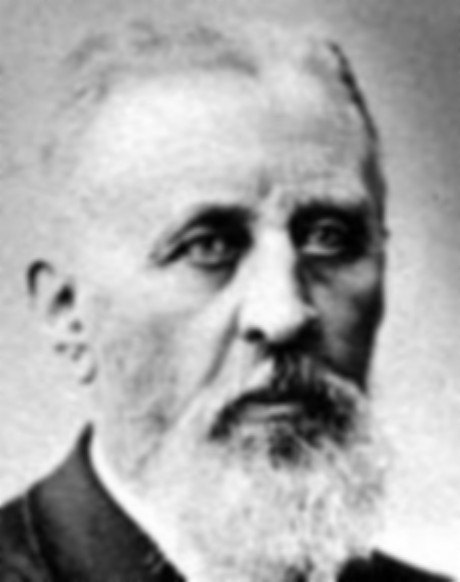
Sophus Ruge (26 March 1831 – 23 December 1903) was a German geographer and historian, he studied about European discoveries and written works about Portuguese discoveries. His studies was a different vision on one traditionally followed in Portugal, he had translated a large part from Portuguese and had been influential in the development of Portuguese historiography.
Biography
Ruge was born in the Frisian town of Dorum located near Geestemünde in the Kingdom of Hanover. His father of Christoph August Ruge (1790–1834) was from Neuhaus/Oste and was a doctor in medicine. During the Battle of Waterloo, he was an English field doctor, he later moved to Cuxhaven and in 1817, he was physician in Dorum, there he later married the lawyer's daughter Elise Hennings (1804–?). Ruge later studied in Göttingen and Halle. In 1872, he became professor in geography and ethnography at the Technische Hochschule de Dresden (Dresden Technical High School) where he headed until his death.
He later married Anna Caecilie Busse (1830–1903) and had children including Frieda Elisa (1860–?), Reinhold Friedrich (1862–?), Walther Karl Theodor (1865–?, geographer) and Elsbeth Sophie (1870–?).
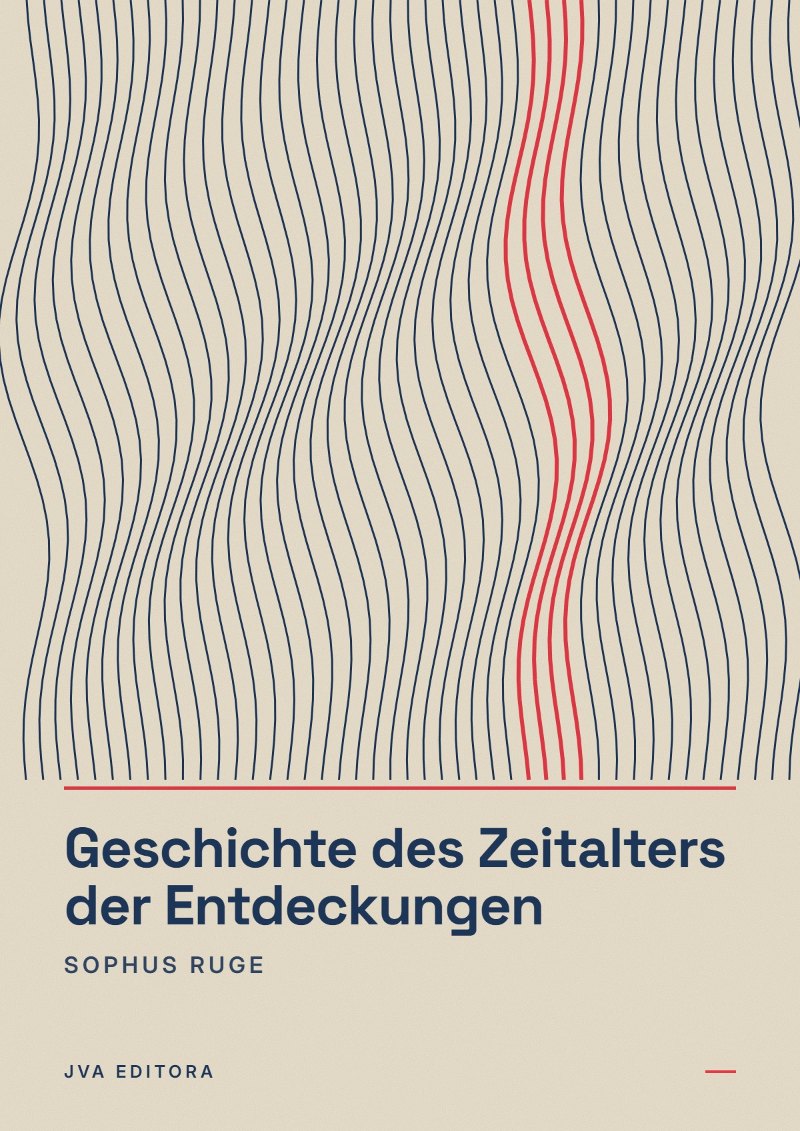
He took charge of producing the second edition of the review and enlarged Geschichte der Erdkunde, by Peschel, published in 1887 which he earned him a recognition and consideration of geographers and historians of the time. One work that was most personal Geschichte des Zeitalters des Entdeckungen (History During the Age of Discovery), made between 1881 and 1883 in the Oncken Collection, enshrined his reputation as a geography historian.