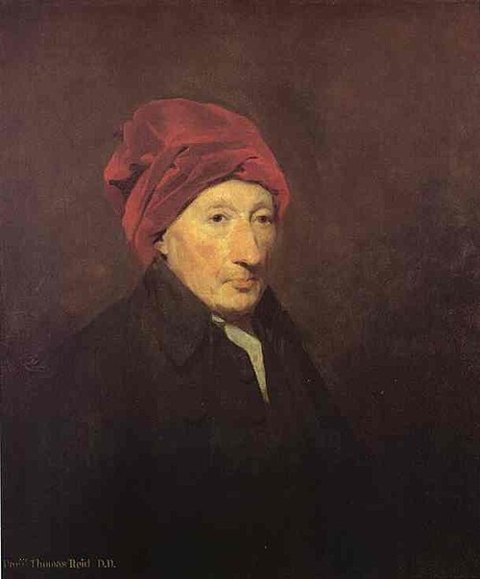
Thomas Reid (7 May (O.S. 26 April) 1710 – 7 October 1796) was a Scottish philosopher best known for his philosophical method, his theory of perception, and its wide implications on epistemology, and as the developer and defender of an agent-causal theory of free will. He also focused extensively on ethics, theory of action, language and philosophy of mind.
He was the founder of the Scottish School of Common Sense and played an integral role in the Scottish Enlightenment. In 1783 he was a joint founder of the Royal Society of Edinburgh. A contemporary of David Hume, Reid was also "Hume's earliest and fiercest critic".
Reid is known for his book Essays on the Active Powers of the Human Mind (1788), in which he discusses the active behavioral nature of the human mind, including discourses about free will, principles of action and morals.