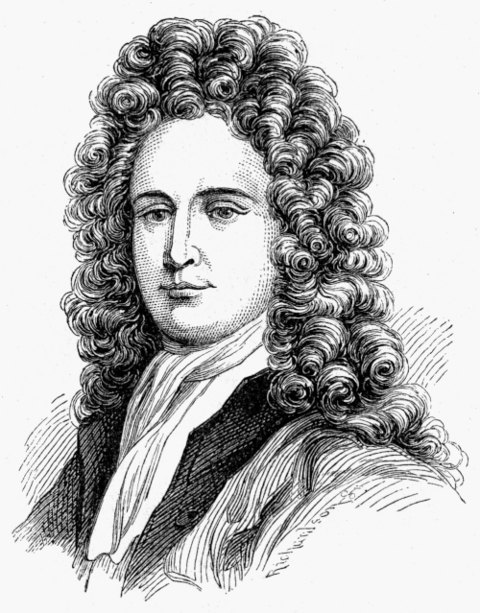
Thomas Savery (c. 1650 – 15 May 1715) was an English inventor and engineer. He invented the first commercially used steam-powered device, a steam pump which is often referred to as the "Savery engine". Savery's steam pump was a revolutionary method of pumping water, which improved mine drainage and made widespread public water supply practicable.
Career
Thomas Savery was born around 1650 at the manor house of Shilstone, near Modbury, Devon. He received a good education and became a military engineer, rising to the rank of captain by 1702. He spent his free time performing experiments in mechanics. In 1696 he took out a patent for a machine for polishing glass or marble, and another for "rowing of ships with greater ease and expedition than hitherto been done by any other" which involved paddle-wheels driven by a capstan; however, this was dismissed by the Admiralty following a negative report by Edmund Dummer, the Surveyor of the Navy.
Savery also worked for the Sick and Hurt Commissioners, contracting the supply of medicines to the Navy Stock Company, which was connected with the Society of Apothecaries. His duties on their behalf took him to Dartmouth, Devon, which is probably how he came into contact with Thomas Newcomen.
Steam-powered pump
On 2 July 1698 Savery patented a steam-powered pump, which he called:
A new invention for raiseing of water and occasioning motion to all sorts of mill work by the impellent force of fire, which will be of great use and advantage for drayning mines, serveing townes with water, and for the working of all sorts of mills where they have not the benefitt of water nor constant windes.