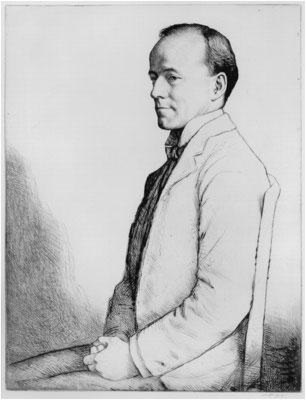
Walter Runciman, 1st Viscount Runciman of Doxford, (19 November 1870 – 14 November 1949) was a prominent Liberal and later National Liberal politician in the United Kingdom. His 1938 diplomatic mission to Czechoslovakia was key to the enactment of the British policy of appeasement of Nazi Germany preceding the Second World War.
Background
Runciman was the son of the shipping magnate Walter Runciman, 1st Baron Runciman. He was educated at South Shields High School and Trinity College, Cambridge, where he graduated with an MA degree in history in 1892.
1899–1913
Runciman unsuccessfully contested Gravesend in a by-election in 1898, but was elected as a member of parliament (MP) in a two-member by-election for Oldham in 1899, defeating the Conservative candidates, James Mawdsley and Winston Churchill. After winning, Runciman is reported to have commented to Churchill: "Don't worry, I don't think this is the last the country has heard of either of us." The following year in the 1900 general election Churchill stood against Runciman again and defeated him.
Runciman soon returned to Parliament for Dewsbury in a by-election in January 1902 and steadily rose through the ranks of the Liberal Party. A progressive, centrist reformer who supported progressive measures such as old age pensions, he was appointed Parliamentary Secretary to the Local Government Board by Sir Henry Campbell-Bannerman in 1905, a post he held until 1907. Runciman's friends in Campbell-Bannerman's cabinet were Sydney Buxton, Charles Hobhouse and John Morley, all on the left.