Author
William Penn
English real estate entrepreneur, philosopher, early Quaker and founder of the Province of Pennsylvania (1644-1718)
- Born
- October 14, 1644, London
- Died
- July 30, 1718, Ruscombe
- Nationality
- Kingdom of England
- Occupation
- Philosopher, entrepreneur, theologian, politician and writer
Life and work
William Penn (24 October [O.S. 14 October] 1644 – 10 August [O.S. 30 July] 1718) was an English writer, theologian, religious thinker, and influential Quaker who founded the Province of Pennsylvania. An advocate of democracy and religious freedom, Penn was known for his amicable relations and successful treaties with the Lenape native peoples who had resided in present-day Pennsylvania before European colonisation there.
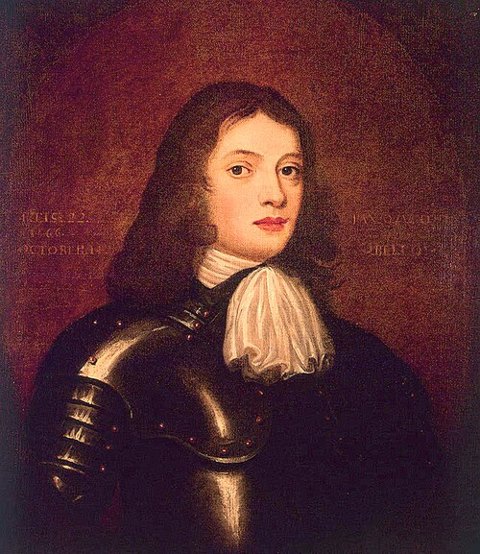
Penn was expelled from the University of Oxford in 1662 for his religious nonconformity. That early break with institutional authority became central to his life. He embraced Quakerism, defended freedom of conscience, and repeatedly challenged the established Church of England's restrictions on religious dissent. Penn built a remarkable life outside conventional institutions, combining religious leadership, writing, political advocacy, and practical enterprise. Today, his legacy is commemorated at Christ Church, Oxford, where his portrait is displayed in the dining hall.
His most important undertaking was Pennsylvania. In 1681, King Charles II granted Penn an area of land corresponding to the present-day U.S. states of Pennsylvania and Delaware to offset debts he owed to Penn's father, the admiral and politician Sir William Penn. Penn developed the land as a territory grounded in Quaker ideals of peace and equality alongside economic opportunity and representative government. The following year, Penn left England and sailed up Delaware Bay and the Delaware River, where he founded Philadelphia on the river's western bank. Penn's Quaker government was not viewed favorably by the Dutch, Swedish and English settlers in what is now Delaware, and the land was also claimed by the Calverts, proprietors of the neighbouring Province of Maryland. In 1704, the three southernmost counties of the province of Pennsylvania were granted permission to form a new, semi-autonomous Delaware Colony.
As one of the earliest supporters of colonial unification, Penn wrote and urged the union of all the British colonies into what would later become the United States. The democratic principles that he included in the West Jersey Concessions and outlined in the Pennsylvania Frame of Government inspired delegates to the 1787 Constitutional Convention in Philadelphia when they came to write the Constitution of the United States.
A man of deep religious conviction, Penn authored numerous works, exhorting believers to adhere to the spirit of Primitive Christianity. Penn was imprisoned several times in the Tower of London due to his faith. His book No Cross, No Crown, published in 1669 while he was in jail, has become a classic of Christian theological literature.
Text: “William Penn”, from Wikipedia, the free encyclopedia, under the license CC BY-SA 4.0. Dates and facts: Wikidata.
Collection
Books by William Penn
2 books