Author
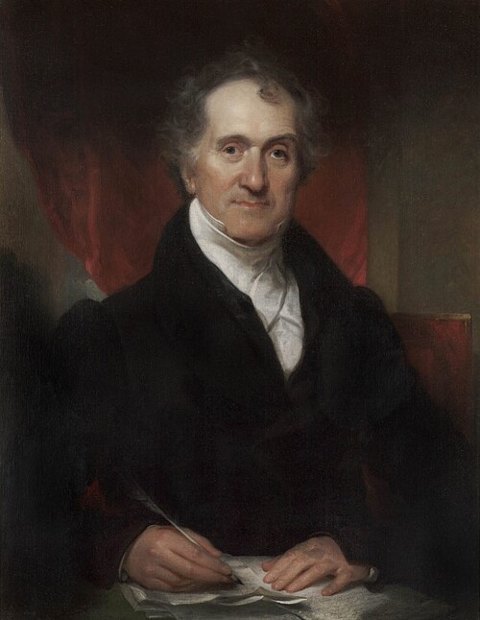
William Wirt
American author and statesman and United States Attorney General (1772–1834)
- Born
- November 8, 1772, Bladensburg
- Died
- February 18, 1834, Washington, D.C.
- Nationality
- United States
- Occupation
- Lawyer, politician and writer
Life and work
William Wirt (November 8, 1772 – February 18, 1834) was an American lawyer, politician and author who is credited with turning the position of United States Attorney General into one of influence. The longest-serving attorney general in U.S. history, Wirt also served in the Virginia House of Delegates and was the Anti-Masonic nominee for president in the 1832 election.
Orphaned as a child, Wirt grew up in Maryland but initially pursued a legal career in Virginia, passing the Virginia bar in 1792. After holding various positions, he served as the prosecutor in Aaron Burr's trial for treason. Wirt won election to the Virginia House of Delegates in 1808 and was appointed as a United States Attorney in 1816. The following year, President James Monroe appointed him to the position of United States Attorney General. Wirt remained in that office for the next twelve years, serving under Monroe and John Quincy Adams. He continued his law career after leaving office, primarily in Maryland, and may be best known for representing the Cherokee in Cherokee Nation v. Georgia.
Though Wirt was a former Freemason, the Anti-Masonic Party nominated him for president in 1832. Wirt did not actively campaign for office and refused to publicly speak against Masonry. Nonetheless, the ticket of Wirt and Amos Ellmaker carried the state of Vermont, becoming the first third party presidential ticket to win a state. After the election, Wirt continued to practice law until his death in 1834.
Text: “William Wirt (attorney general)”, from Wikipedia, the free encyclopedia, under the license CC BY-SA 4.0. Dates and facts: Wikidata.
Collection
Books by William Wirt
1 book