The release of the new First Novel list already puts into question the way the market celebrates a writer's debut. While some names already circulate in academic circles, others remain absent from the discussions. This disparity makes us question the selection criteria.
The jury, composed of prominent authors, brings with it a legacy of publications that shape the contemporary canon. This presence confers prestige, but also filters the voices that reach the stage. We cannot deny the jurors' competence, yet their taste tends to echo the same repertoire.
We therefore observe that most of the selected share an aesthetic that has already been absorbed by the major houses. Narratives that privilege urban realism or psychological introspection dominate the list. This homogeneity sidelines formal experiments that flourish in small presses.
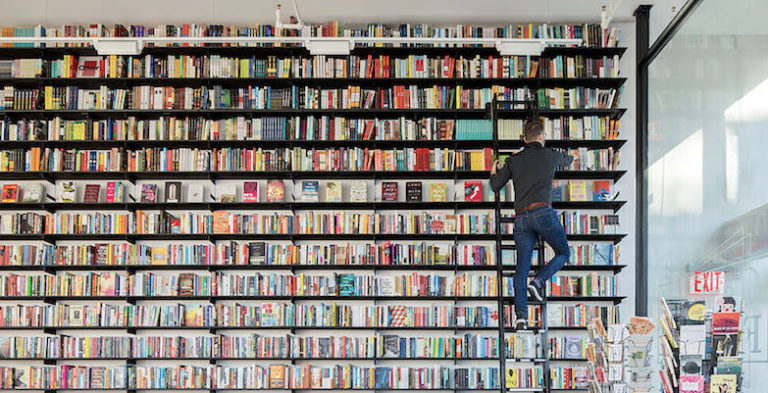
On the shelves of independent publishers, there is a constant flow of works that challenge narrative structures and broaden the thematic spectrum. Authors who play with language, blend genres, or bring regional perspectives rarely appear in awards of this scale. Ignoring this movement perpetuates a cycle of limited visibility.
For the reader seeking novelty, the list may seem a reliable guide, but it also works as a filter that directs consumption. When a prize's seal determines what is worth reading, independent bookstores lose choice space. This dynamic reinforces the cultural monopoly of the major publishers.
We therefore need recognition mechanisms that draw from the diversity produced outside the major circuits. Awards that value boldness and plurality can open paths for writers who still lack institutional voice. Without this reorientation, the literary landscape risks becoming predictable.
It is time to demand that awards cease to be merely mirrors of the establishment and start amplifying the noise of the literary streets. When the official criticism embraces experimentation, the reader gains new routes of discovery. This change is what truly revitalizes the future of fiction.