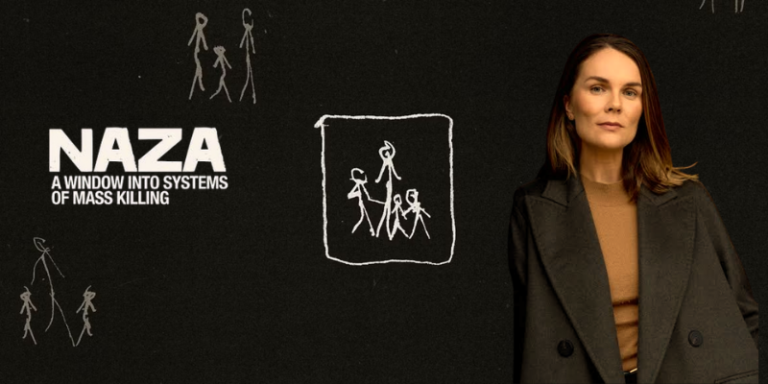
Claire Burke, whose work has topped bestseller lists, has just turned her latest release into an invitation to a film. She asked her followers to watch NAZA, an award-winning documentary that exposes military tactics in Gaza. The gesture, though well-intentioned, already sparks debate about the writer’s role in the political arena.
In recent years, we have seen a rise of literary voices publicly taking stands on social causes. This practice can broaden the reach of urgent issues, but it also risks confusing the reader who seeks, above all, an aesthetic experience. When a book’s marketing blends with activism, the line between cultural recommendation and propaganda blurs.
We believe literature has a legitimate space to provoke reflection, yet this does not exempt the author from editorial responsibility. A direct invitation, without providing context or alternative readings, can turn the act of reading into a campaign act. The publisher must provide a space for critical debate, not just a seal of approval.
For the reader who follows us, the expectation is to find a text that engages with the work, not a unilateral appeal. When a writer uses their popularity to steer media consumption, there is a risk of alienating those who do not share the same political stance. This polarization can drive away readers who seek the pleasure of reading free from imposition.
NAZA, as a documentary, has journalistic merit and deserves to be seen, especially by those who wish to understand the conflict’s complexity. However, its screening should be accompanied by suggestions of books, articles, or essays that allow a deeper analysis. Without this support, the invitation can sound like a simplified act of militancy.
At JVA Publishing, we prefer to place the reader at the center of the choice, offering multiple voices and perspectives. When an author promotes a film, we can include that title in our catalog, but always alongside works that question, complement, or even contradict the presented narrative. This multiple curation preserves the reader’s autonomy.
Therefore, we celebrate Claire Burke’s desire to draw attention to an urgent issue, but we argue that literature should not be used as a megaphone without the proper critical apparatus. The publisher’s commitment is to ensure that reading remains an invitation to reflection, not to automatic adherence.