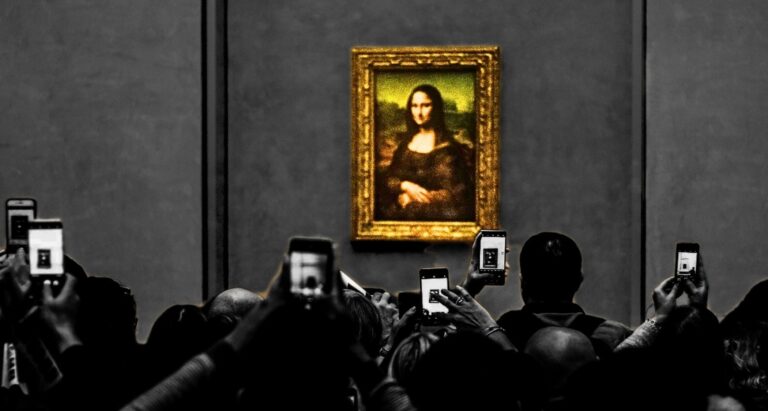
The Louvre, an art icon, no longer guarantees visitors' focus. While the Mona Lisa remains tiny, eyes turn to the glow of screens. Digital noise seeps into silent rooms, turning contemplation into multitasking. We, as readers, feel the same disconnect between artwork and attention.
The attention economy fuels this rupture, turning every glance into a potential click. Platforms compete for fragments of time, and the museum becomes just another stop for the feed. It's not just curiosity, but a model that measures value by the captured instant. When the algorithm sets the pace, deep experience loses ground. This logic has already spread beyond gallery corridors.
Our smartphones, almost extensions of our hands, appear as intermediaries between object and observer. The quick photo replaces the time of absorption, and the caption becomes the definitive commentary. Every notification interrupts the train of thought, preventing the visual narrative from consolidating. Thus, the artwork ends up being merely a backdrop for the next post.
We don't have to accept this condition as inevitable. The very practice of reading shows that attention can be trained and prolonged. If we commit to turning off the device for a few minutes, the painting reveals details that scrolling would never show. Cultural institutions have room to create environments that discourage distraction. We can, therefore, redefine the rhythm without abandoning technology.
Guided-tour programs that ask you to keep the phone in your pocket are already signs of resistance. When the curator suggests a pause to observe, the screen becomes a support tool, not a replacement. This stance reinforces the idea that the artwork has intrinsic value, independent of the algorithm. Change starts with small collective choices.
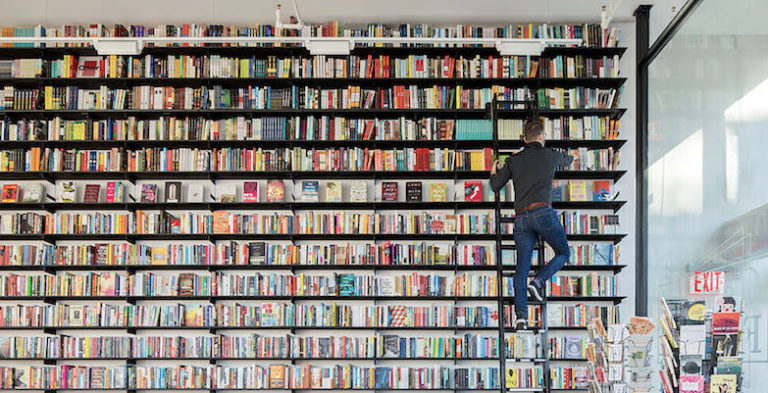
Literature has a tradition of cultivating slowness and immersion. Each page demands a commitment that the feed does not offer. When we read, we train the ability to sustain an attentive gaze, a skill that transfers to encounters with visual art. Hence, the publisher sees the reading practice as an antidote to digital dispersion.
We need to reclaim uninterrupted looking time before the screen becomes the only frame we have left. The future of cultural experience depends on our willingness to prioritize silence over clicks. This is the stance we defend.