
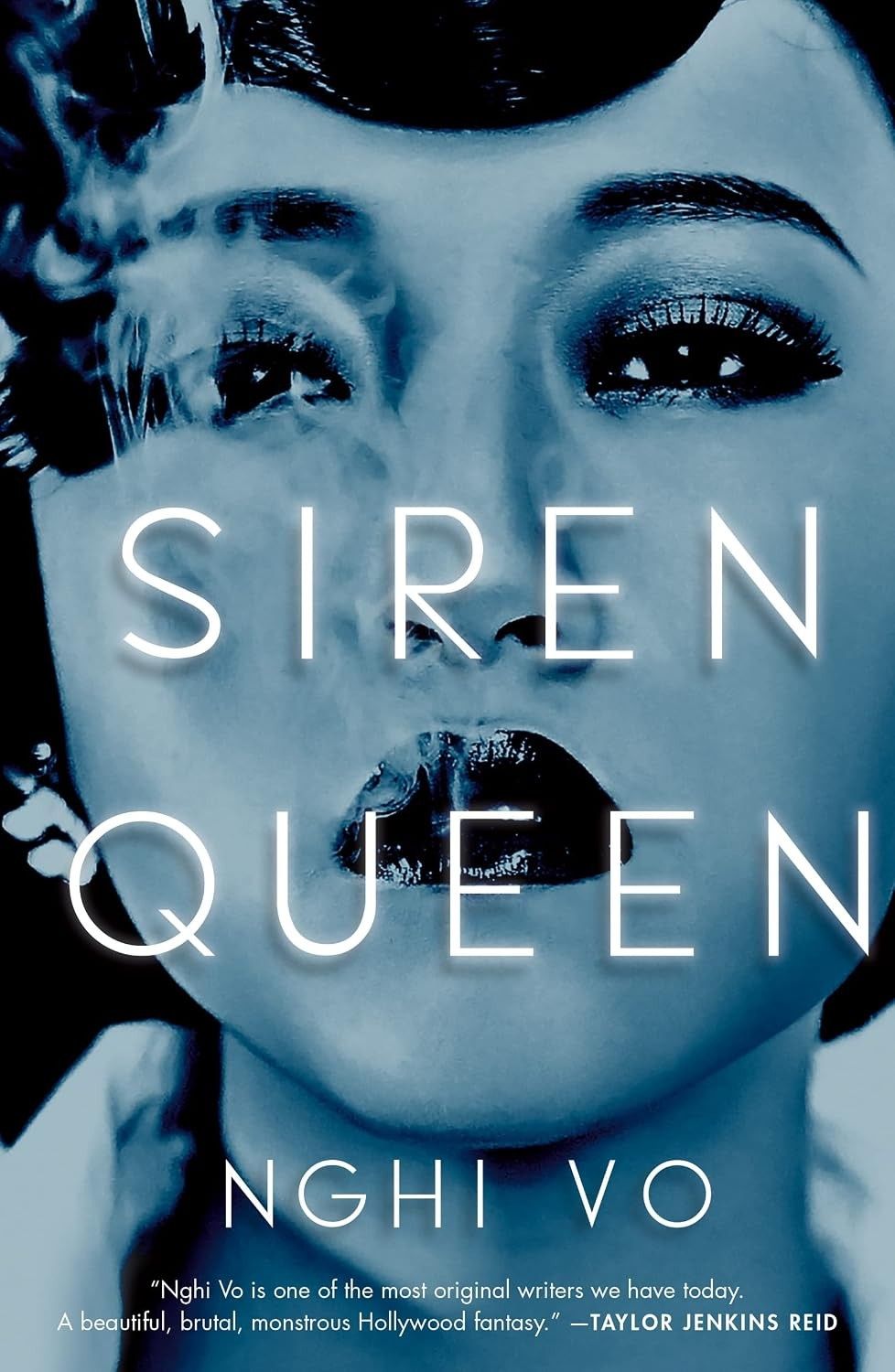
When daily deal lists flood the inbox, the first impulse is price hunting. The feeling of finding a title at fifty percent off feels like an act of generosity, but it hides a logic of accelerated consumption. We, who live among shelves and manuscripts, notice that this pace already sets the tone of literary conversation.
The strategy of promoting massive discounts works like a megaphone for algorithms that prioritize volume over quality. Each click fuels a cycle where the reader chooses what is cheapest, not what truly deserves to be read. This pattern reduces the diversity of voices to mere sales numbers.
For independent publishers, the pressure to join these promotions becomes almost mandatory. When we are forced to cut margins to appear in a “best deals” catalog, we risk sacrificing editorial viability itself. Financial sustainability, already fragile, is further threatened by discounts that do not reflect the true cost of production.
We do not deny that low prices democratize access, especially in regions where books are still a luxury. However, democratization cannot come at the cost of devaluing the written word. When readers associate reading with a bargain, the perception of cultural value erodes slowly.
The bigger problem, however, lies in the loss of thoughtful curation. Instead of receiving recommendations based on thematic affinity or literary merit, the audience is flooded with lists that prioritize the discount algorithm. This superficiality prevents lesser-known works from finding their natural audience.
We need to revive the habit of choosing a book for its voice, not its price tag. A viable alternative would be to invest in reading programs that highlight narrative quality, regardless of promotion. When the discourse returns to revolving around content, the publishing chain gains room to breathe.
The conclusion we draw is clear: discounts should not be the measure of a book's success. Literature needs to be celebrated for its capacity to transform, not for how much it costs. Only then will we ensure that literary culture remains alive, strong, and independent.